
AI, Bubbles, and Power
Why the AI Boom May Hinge Less on Chips and More on Electricity
Speculation Fades. Infrastructure Lasts.
Investors often ask whether artificial intelligence is “the next dot- com.” The better question is what kind of bubble we might get, what it could build, and how to participate responsibly without trying to time the top?
History suggests that truly transformative technologies tend to over-attract capital, create booms and busts, then leave behind essential infrastructure that fuels the next decade of growth. In the late 1990s, that infrastructure was fiber and networking capacity. In this cycle, the decisive buildout is likely to be electric power. Our house view: the AI wave is real, adoption is accelerating, the timeline is uncertain, and the productive version of any coming bubble will be the one that overbuilds generation and grid capacity. We will position client portfolios to benefit from the long-run infrastructure left standing while managing the path’s volatility.
The dot-com era is often remembered for speculation, yet its central insight was correct. The internet really did change everything. What the market misjudged was timing. The killer apps of the 2000s and 2010s required plumbing that did not yet exist at scale. Broadband penetration, mobile computing, and cheap backbone capacity were the keys that eventually unlocked the promise. After the bust, when capital fled, leaders like Google took advantage of a glut of dark fiber that had been laid in exuberant times and built enduring businesses on top of it.
What the Dot-Com Era Got “Right,” and What it Got “Wrong”
Crucially, there were two intertwined bubbles. Internet platforms captured the headlines, but the heavier damage to the economy came from the telecom buildout. Overcapacity crushed those balance sheets. The infrastructure outlasted the capital structure, and society inherited an internet that was faster and cheaper than it would have been without the boom. That is a “productive bubble” in action.
There are clear echoes. Capital is rushing in. Talent is concentrating. The largest companies report rapid revenue growth in AI-related lines, and leading models are supply constrained, not demand constrained. At the same time, it is early. Some pilots will not translate to durable workflows. A portion of today’s spend is experimental. As in the 1990s, the idea is right, the direction is clear, and the calendar is hard to forecast.
Is AI on the Same Path?
Two differences matter for investors:
Immediate utility. Unlike 1999 websites that were waiting for broadband, many AI use cases are already saving time and money today in coding, customer support, content drafting, analytics, and search augmentation. That creates a sturdier floor for real demand.
A harder bottleneck. Last cycle’s constraint was bandwidth. This cycle’s constraint is electricity. Chips, data centers, and cooling are all capital intensive, yet they are derivative of power. A model that is ready to serve a billion queries still cannot run without megawatts behind it.
The Real Buildout This Time: Power
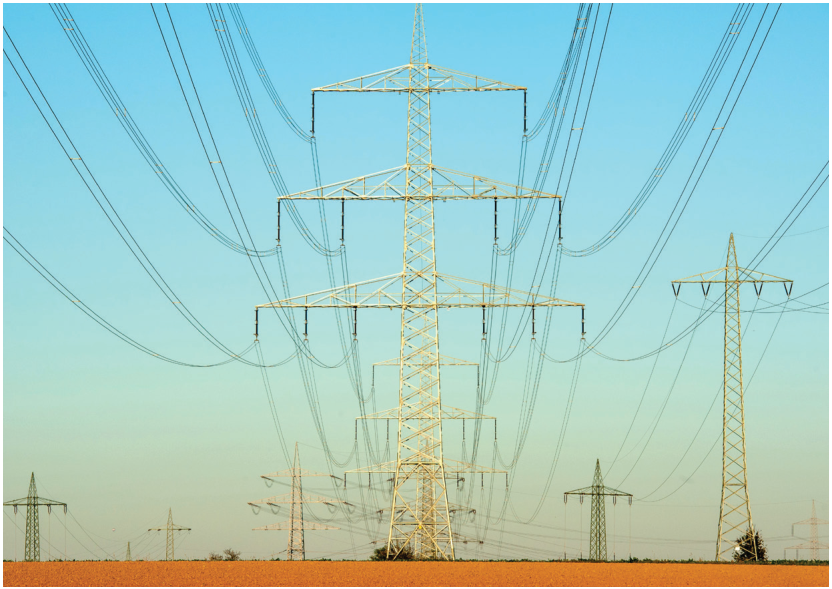
If AI is the application layer, electric power is the substrate. Hyperscalers and model labs are contracting for energy wherever they can find it. Utilities will sell to creditworthy buyers at market prices. If the grid remains tight, the marginal cost of power for households and small businesses drifts higher, and the economy bears that friction. The healthy outcome is not to ration demand, it is to build supply.
A productive bubble would look like this: heavy investment in generation, transmission, and grid modernization across technologies, followed by a painful shakeout for over-levered builders, and then a long period where the economy benefits from abundant, relatively cheap power. This would rhyme with the fiber glut that later empowered cloud and mobile. It would also be inflation-reducing through the cycle, even if it feels inflationary while the build is underway. The moral is simple. We do not get the benefits of AI at full scale unless we solve for power at full scale.
Why Timing Calls Are Not a Strategy
Bubbles are almost inevitable when a technology shifts the production function and requires large upfront investment. Railroads, electrification, telecom, and now AI each followed some version of this pattern. The lesson for clients is not to attempt an all-in or all-out market call. The opportunity cost of sitting out a compounding platform can be as damaging as the drawdowns that follow a peak. Instead, treat timing humility as a risk- management principle. Own exposure to the long-term winners and the infrastructure that endures, balance it with resilience, and size positions so that a cyclical downdraft does not force selling at the wrong moment.
Portfolio implications for clients:
Participate in the durable platforms, size with humility. The largest, best-capitalized technology firms are building the software, services, and integration layers that monetize AI. Their scale gives them advantaged access to chips, power, and talent. We keep core exposure here, acknowledging that returns will not move in a straight line.
Own the enablers of power abundance. If the real bottleneck is electricity, the infrastructure that relieves that bottleneck is the asset that remains when today’s hype fades. We focus on diversified exposure to utilities with credible growth plans, grid equipment and transmission leaders, energy-storage value chains, and select developers with stronger balance sheets. We diversify the technology mix rather than making a single bet on any one generation pathway.
Balance cyclical risk with quality and cash flow. Productive bubbles still come with drawdowns. We favor businesses with strong free cash flow, sensible leverage, and pricing power. We maintain liquidity so that volatility can be used to our advantage through rebalancing rather than forcing reactive sales.
Avoid making the portfolio a timing call. We will not build a strategy that only “works” if the bubble continues or only “works” if it bursts. Instead, we structure allocations so that clients benefit from compounding on the other side of volatility, much as investors benefited from the enduring value of fiber and cloud after the early 2000s.
Bottom Line
AI is likely to pass through a boom-bust-build cycle that looks familiar to students of economic history. The difference that will matter most for households and businesses is the availability and price of electricity. If we overbuild power, and we may need to, the transition will be bumpy, yet the legacy would be a more productive economy for years to come. Our role is to help clients participate in what lasts, diversify the pathways to get there, and stay disciplined when headlines swing from euphoria to pessimism and back again.
We will continue to monitor the pace of real economy buildout, the health of balance sheets funding it, and the policy signals that accelerate or slow the path to power abundance. As always, we welcome questions about how these themes fit your objectives, risk tolerance, and time horizon.
