
2026 Outlook - Responsibly Bullish
Content in this material is for general information only and not intended to provide specific advice or recommendations for any individual. All performance referenced is historical and is no guarantee of future results.
The outlook for the U.S. economy in 2026 is one of cautious optimism grounded in durable fundamentals. Contrary to widespread fears of a slowdown, we do not anticipate a recession next year. In fact, we expect the economy to deliver a modest but meaningful upside surprise. Real GDP growth for calendar year 2026 is likely to reach 2.5%, a level that would reflect the continued resilience of both the consumer and corporate sectors, as well as the impact of ongoing structural investment in artificial intelligence and advanced technologies.
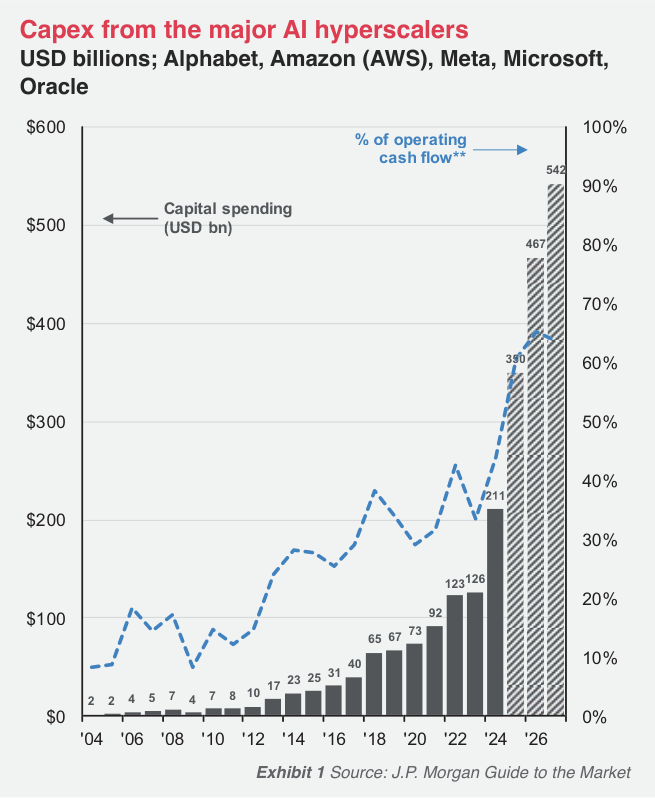
One of the most important drivers of this resilience is the unprecedented acceleration in AI-driven capital expenditure. Across industries, firms are integrating generative AI, automation, and machine learning into their core operations, contributing to gains in productivity, operating leverage, and ultimately GDP. Recent academic estimates suggest that AI adoption could boost U.S. output by more than one percentage point annually over the medium term. This growth is not being driven by speculative narratives but by real capital allocation into infrastructure, software, and talent, forming a new layer of economic expansion that goes beyond the consumer cycle.
At the same time, the U.S. labor market is showing signs of normalization. We expect the unemployment rate to settle near 4.5% in 2026. While this reflects some softening from the post-pandemic lows, it is not indicative of stress or contraction. Rather, it marks a healthy rebalancing between labor supply and demand. The transition out of an overheated hiring environment is allowing employers to focus on productivity and operational efficiency, while workers benefit from wage stability and ongoing opportunities in high-demand sectors such as healthcare, construction, and technology.
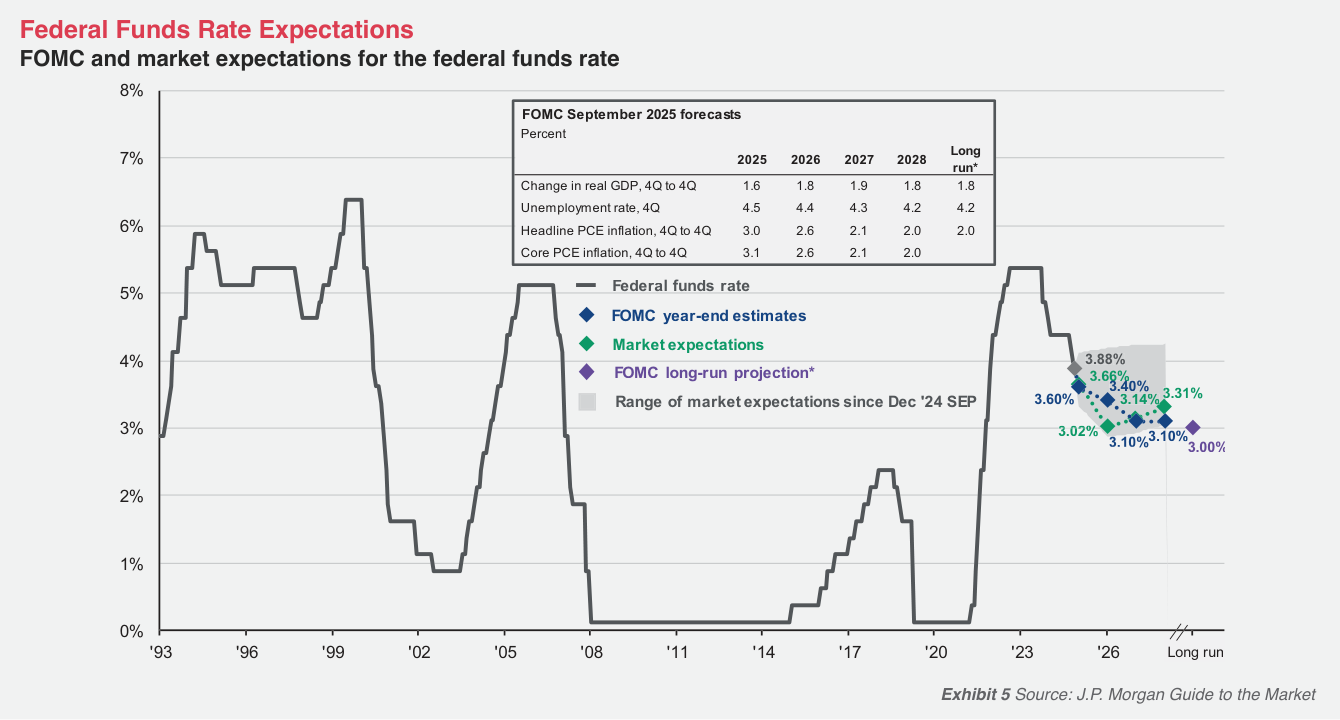
Fiscal policy is also playing a critical role in sustaining economic momentum. The passage of the One Big Beautiful Bill Act (OBBBA) has provided a significant pro-cyclical boost to both businesses and households. On the consumer side, middle-income Americans are expected to receive roughly $100B in net stimulus in the form of enhanced refunds, rebates, and credits. This amounts to about 0.3% of GDP and is likely to land in a timely fashion, supporting spending and sentiment during the first half of the year. On the corporate side, the revival of key provisions from the original Tax Cuts and Jobs Act, particularly around accelerated depreciation and business expensing, is expected to incentivize new rounds of capital investment, especially in AI and industrial equipment. These fiscal impulses are being reinforced by monetary policy, where the Federal Reserve appears poised to continue its path of easing. Although internal divisions remain within the FOMC, the broader trend is toward gradual rate cuts in 2026, provided inflation remains contained. The key nuance is that inflation, while still elevated relative to pre-pandemic norms, is showing signs of structural moderation. Core PCE has now remained in the 2.6% to 3.0% range for over a year, down meaningfully from its 2022 peak of 5.6%. Importantly, much of the disinflation has come from shelter, which had been the dominant source of inflation last year. That pressure has now eased considerably, with durable goods and services inflation becoming the more stubborn components.
Nonetheless, the Federal Reserve is likely to prioritize preserving the labor market over a mechanical return to 2% inflation. The persistence of services inflation, currently running at 3.4% year-over-year, may cause some hesitation within the Fed, but we believe that the majority of the committee will ultimately favor easing as the broader inflation narrative improves. Additionally, inflation expectations remain well anchored. According to the Federal Reserve Bank of New York, one-year ahead inflation expectations are no higher than they were a year ago, which offers further cover for a measured dovish pivot.
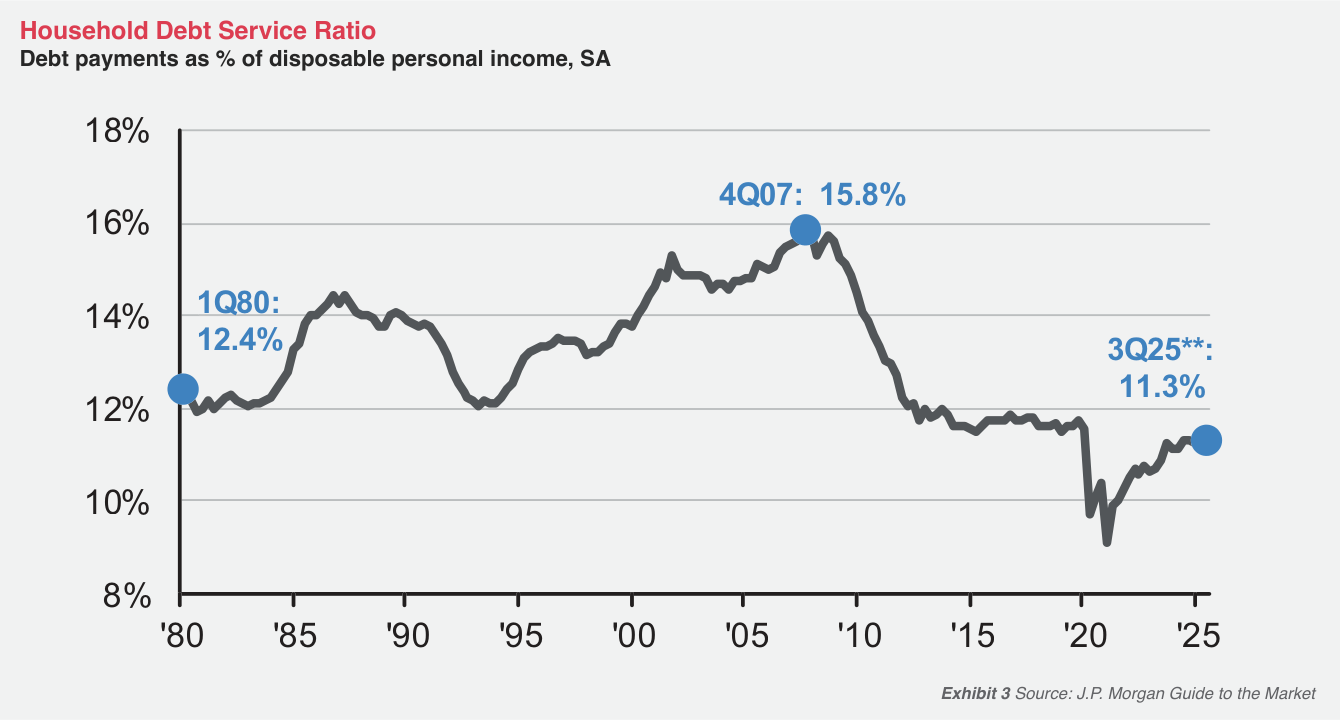
Beyond these cyclical considerations, we believe the economy is still in a mid-to-late phase of expansion, but not yet at risk of entering a contraction. It is critical to remember that economic cycles do not adhere to a fixed duration or “shot clock.” There are credible reasons to believe that this cycle has room to run, particularly given the strong state of aggregate household balance sheets. Debt service ratios remain near 2010 levels, supported by a mortgage lock-in effect that has insulated homeowners from rising rates. Consumers, especially those in the middle-income cohort, retain financial flexibility and are likely to respond positively to both fiscal transfers and easing credit conditions.
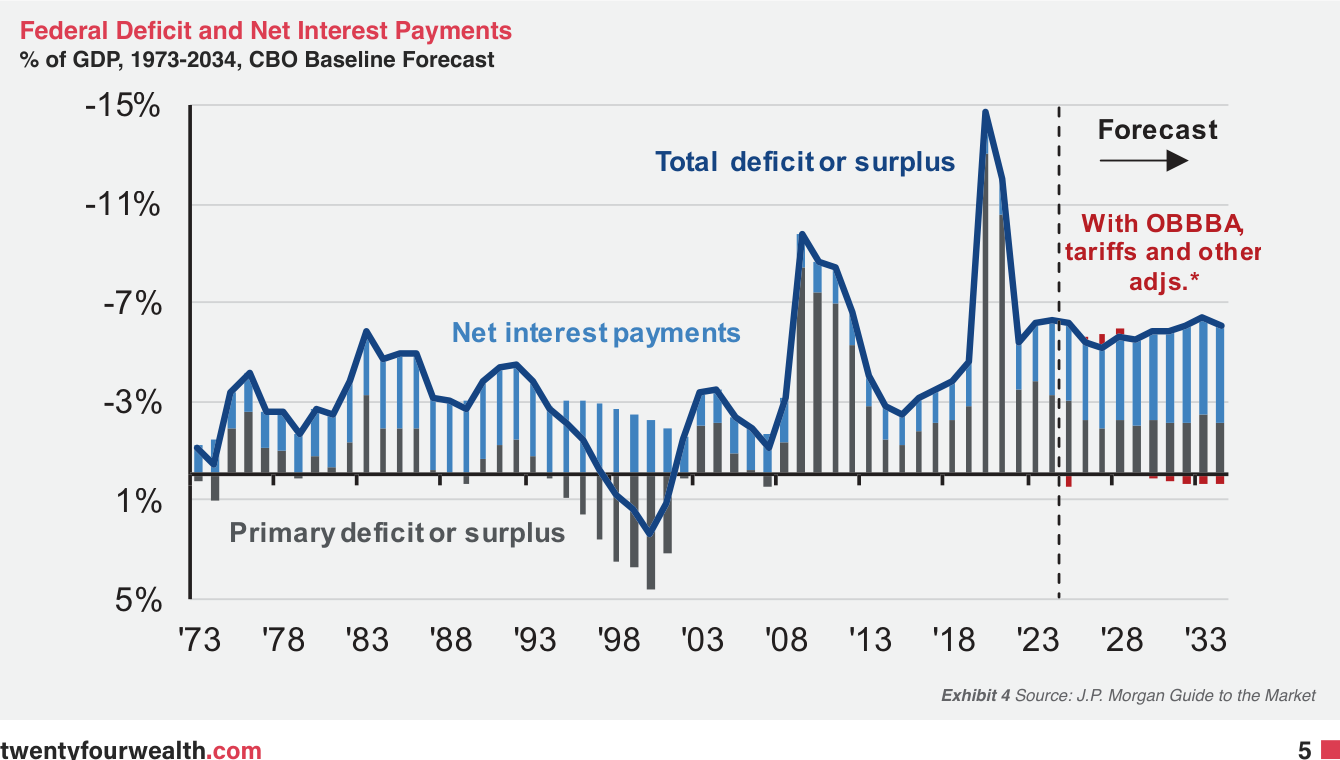
On the federal side, the government’s balance sheet continues to lean expansionary at the margin. Deficits are widening again, a dynamic which (while concerning over the long term) adds incremental stimulus in the near term. This further supports our thesis that easy financial conditions are set to persist in 2026. Lower interest rates, rising equity valuations, and improving consumer cash flows together create a powerful wealth effect, which is likely to be a key conduit of sustained demand and investment activity.
There remains some uncertainty around the path of monetary policy. While one scenario envisions a December 2025 rate cut followed by two additional cuts in the first half of 2026, another possibility is that the Fed pauses until the second half of the year. We view the latter path as carrying greater downside risk. If the Fed holds rates too high for too long, it may inadvertently accelerate labor market deterioration, forcing a more reactive policy shift later in the year. In our view, the more constructive path is a measured, forward-looking easing cycle that reinforces rather than impedes the economy’s soft landing.
Altogether, the U.S. economy in 2026 stands at a rare intersection of structural transformation and cyclical support. The forces of AI investment, pro-growth fiscal policy, and prudent monetary easing are working in alignment rather than at odds. While risks remain, including the potential for inflation to reaccelerate or the Fed to misjudge the labor market trajectory, we view these as manageable within the context of a fundamentally sound macroeconomic backdrop.
In parallel, the 2026 election year is likely to usher in additional fiscal activism. With bipartisan support for targeted tax relief and rebate programs, fiscal policy appears to be turning more expansionary. Middle-income households, in particular, are positioned to benefit from both tax refunds and potential new transfer payments. Lower-income segments of the population, which faced disproportionate inflationary headwinds in recent years, are now seeing modest relief through rebates and social support programs. This trend could help narrow the wealth gap and support more inclusive consumption growth.
HOUSE VIEW: No recession and above trend growth for CY 2026.
Housing
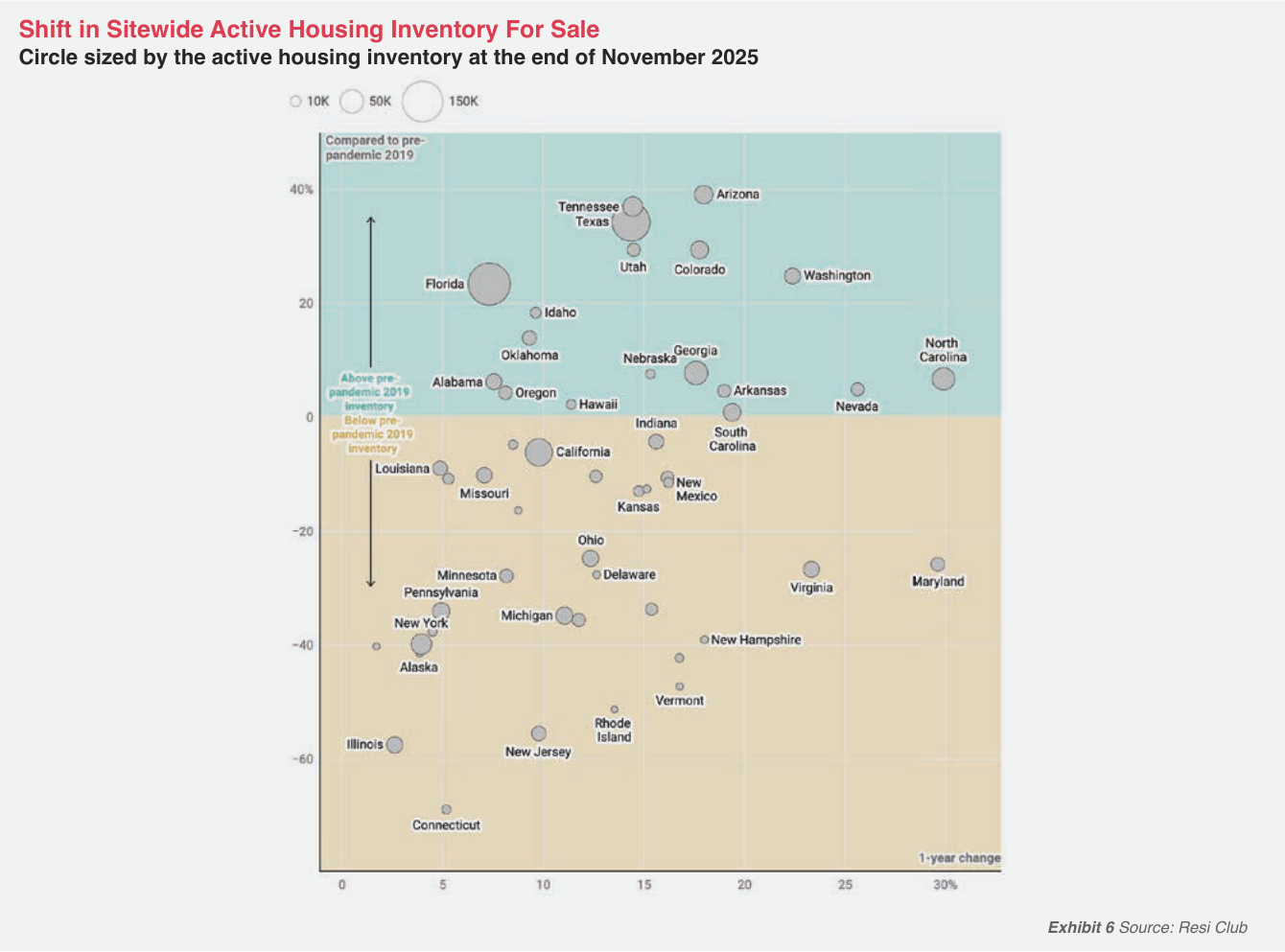
The outlook for home prices is more complex. Supply conditions vary significantly across regions. Inventories are elevated in the South and West, which increases the likelihood of softer or declining home prices in those markets. Inventories remain tight in the Northeast and parts of the Midwest, which should limit downside and result in relatively stagnant but more stable price dynamics.
Housing remains one of the central priorities for the current administration. The affordability crisis has become a defining policy issue, and it played a major role in the November 2025 elections. As we move into a midterm year, we expect the administration to push aggressively on initiatives intended to expand access to affordable housing.
A sustained improvement in housing activity will likely require mortgage rates to move into the mid to low five percent range. Achieving that level may be challenging given our expectation for a ten year Treasury yield of 4.25% in 2026. Historically, the average mortgage spread sits near 2%, which would imply an average mortgage rate of roughly 6.25% for the year. Reaching materially lower levels would require meaningful spread compression.
Policy support is already occurring behind the scenes. Recent Bloomberg reporting indicates that Fannie Mae and Freddie Mac have expanded their mortgage backed securities portfolios by more than 25% over the past five months. Their retained portfolios reached $234B by October, and they are expected to add another $100B next year. This provides incremental liquidity to the mortgage market and may help narrow spreads at the margin.
HOUSE VIEW: We expect meaningful regional dispersion in home price performance. Markets with high inventories may experience price declines, while markets with constrained supply may see minimal appreciation but greater stability.
U.S. Equities
Before examining where equities may go in 2026, it is helpful to understand the fundamental components that drive total market returns. The total return of a broad stock index such as the S&P 500 is composed of three parts: the percentage change in earnings, the percentage change in the valuation multiple investors are willing to pay, and the percentage change in dividends paid to shareholders. These three elements together explain why markets appreciate or decline over time.
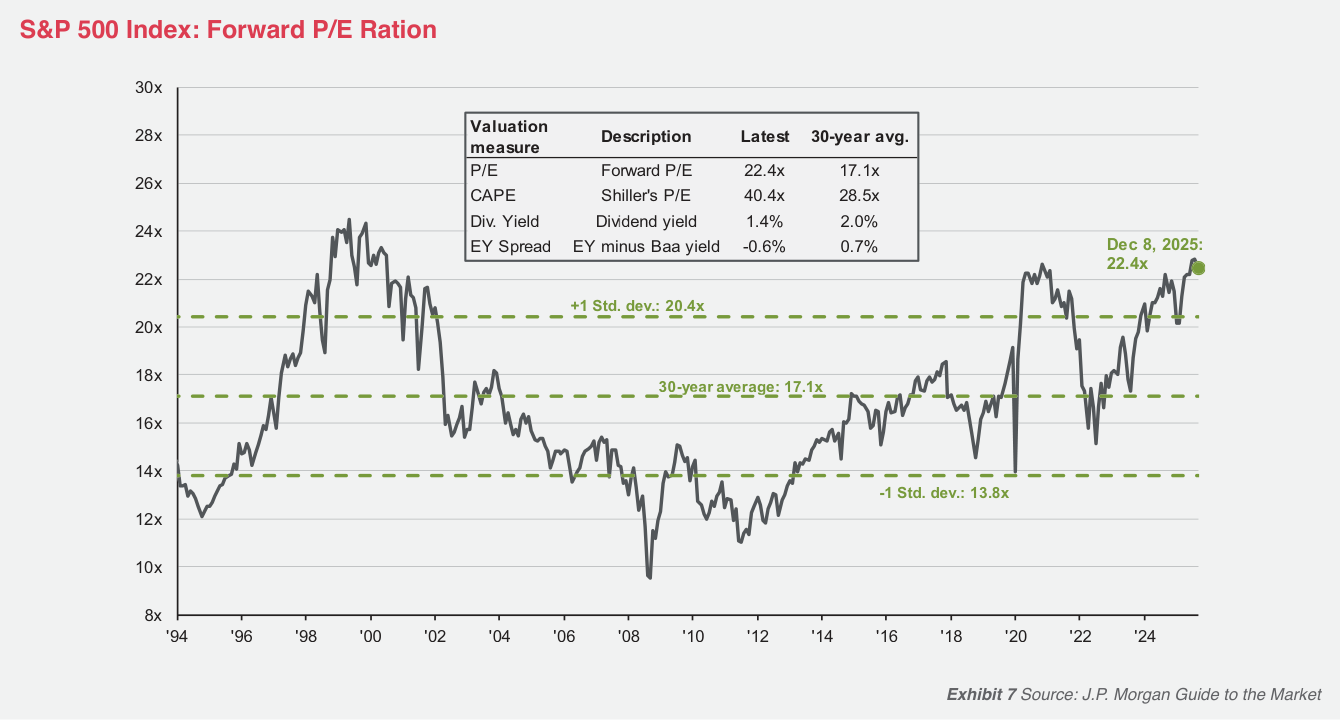
As of December 10, 2025, the S&P 500 was trading near the 6,850 level with consensus earnings estimates for 2026 of about $309 per share, translating to a forward price to earnings multiple of approximately 22.16 times (6850 divided by 309 = 22.16). This multiple sits well above its long term averages and reflects a market that is richly valued by historical standards. According to independent valuation analysis, current forward P/E ratios are meaningfully elevated above their modern era averages, indicating that stocks are expensive relative to profits at present. In fact, valuation models show the S&P 500’s forward P/E roughly two to three standard deviations above its historical norm, consistent with a market trading at rich multiples.
However, a critical part of understanding the market outlook is recognizing that much of this earnings strength appears to be already priced in to current valuations, especially within large cap benchmarks like the S&P 500. With valuations trading well above the long term averages, it becomes increasingly difficult for prices to rise significantly unless future earnings growth or valuation expansion outpaces current expectations. In this context, the S&P 500’s elevated forward P/E suggests that markets may be capped by valuation risk, with limited scope for meaningful multiple expansion absent a shift in investor perception or macroeconomic conditions.
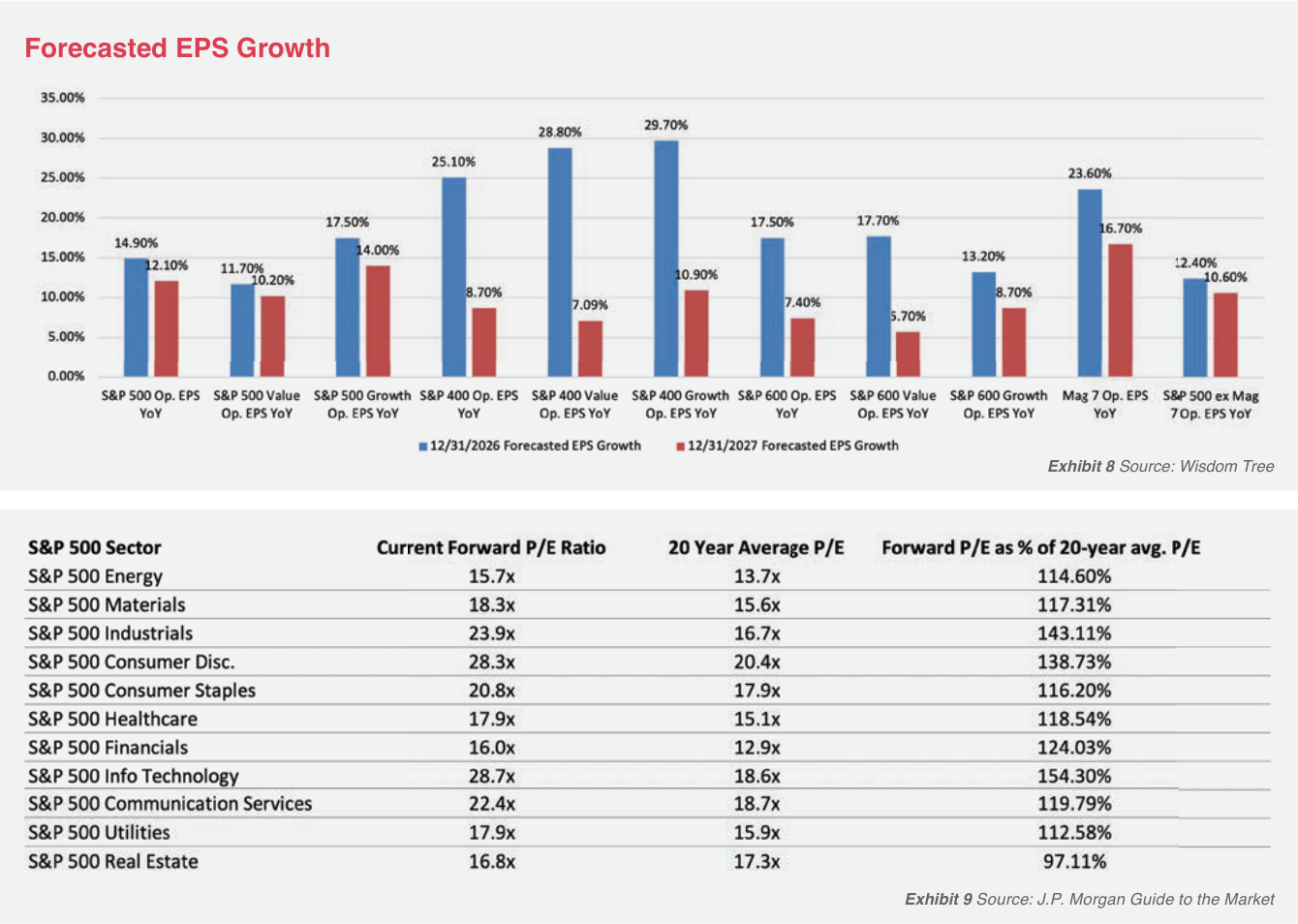
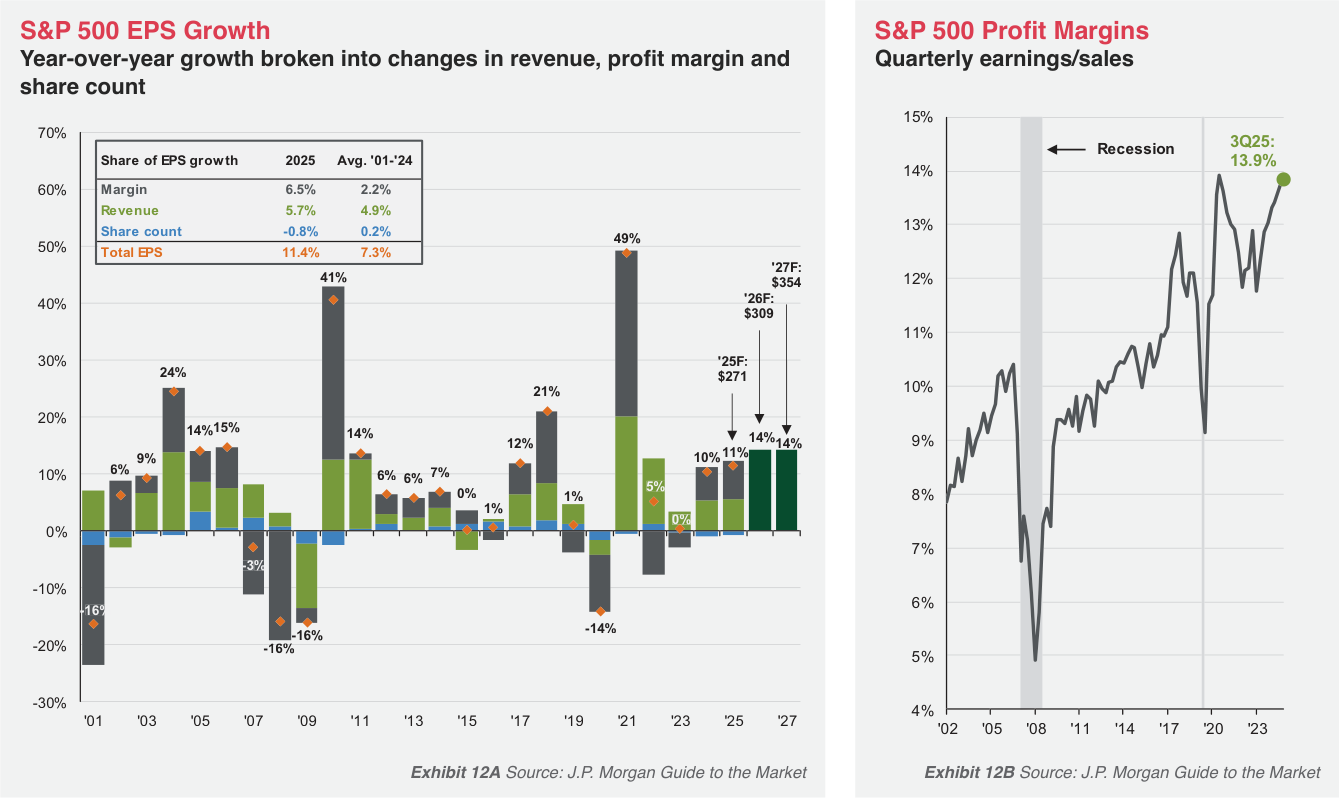
The strong level of valuations today reflects positive sentiment, consistent earnings forecasts, and sustained demand for equities. Analysts currently expect above average earnings growth in 2026 and 2027, with projected S&P 500 earnings growth near 12–14 percent. This expected growth is well above the typical historical pace of corporate profit expansion and supports the current elevated valuations, particularly among heavyweight technology names where margins and pricing power have surged.
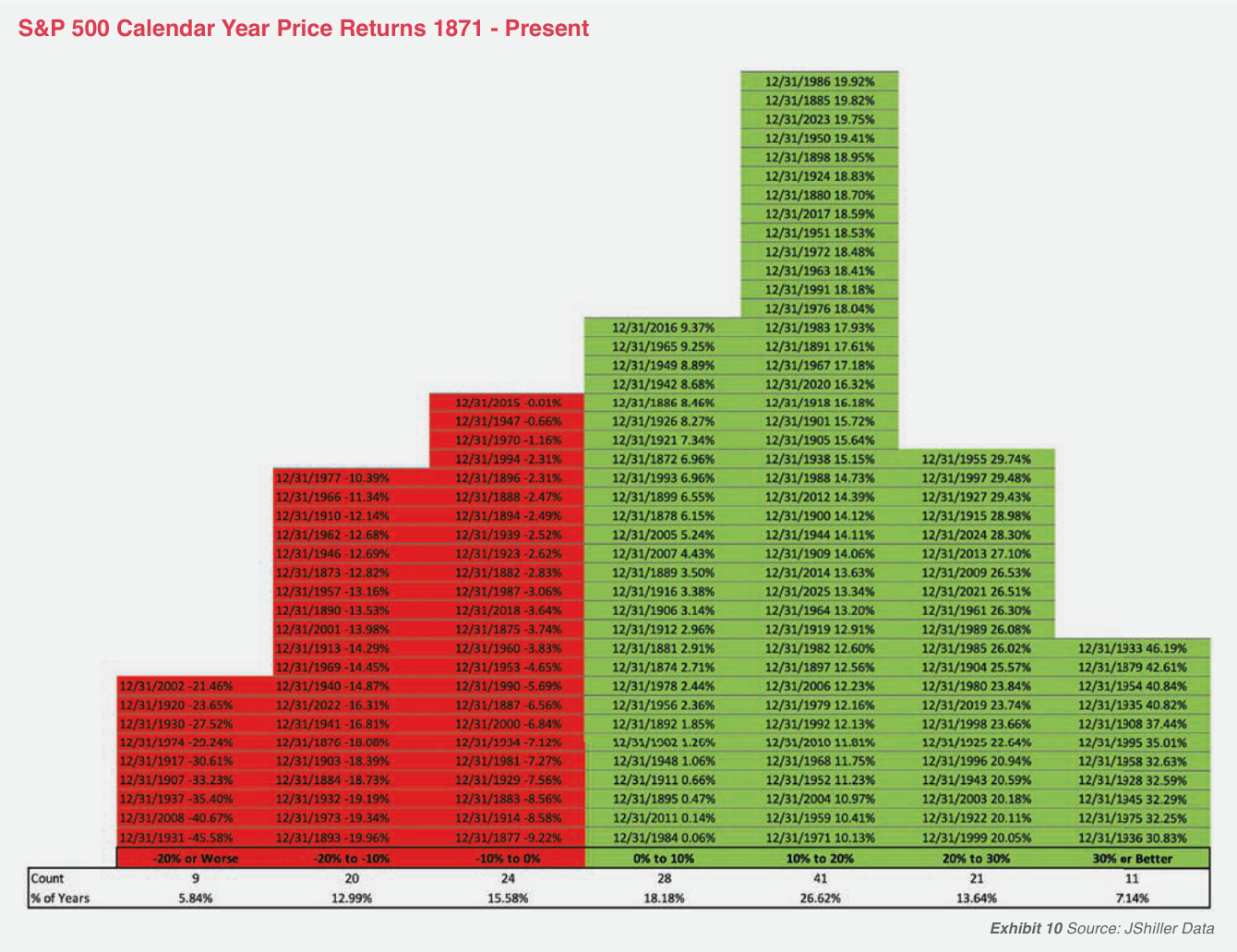
It is also important to place equity returns in a broader historical and statistical context. While long term averages for the S&P 500’s annual return are often cited near 8–9% over many decades, actual calendar year returns are not stationary and tend to cluster. Over the span of more than 150 years of data, S&P 500 returns greater than +10% have occurred in a substantial portion of calendar years, reflecting the fact that strong performance tends to persist when economic and corporate fundamentals remain positive.
Given these dynamics, we believe it is challenging for broader equities to deliver more than 5–10% total return for the calendar year 2026. This range is consistent with valuations that are stretched versus history and earnings growth that is strong but largely anticipated by the market. Consensus forecasts from major strategists across Wall Street generally align with this view, with median targets for the S&P 500 in the mid 7,000s by year end 2026, implying single digit returns from current levels.
From this perspective, there are three potential paths that could support further multiple expansion and higher equity returns in 2026. One possibility is that technology stocks alone re rate higher (Multiples expand) from their current 28.7x, a scenario that we judge the most plausible given the structural secular advantages of large tech franchises with scalable business models, durable moats, and pricing power in areas such as artificial intelligence and cloud computing. These companies account for a large share of index earnings and heavily influence aggregate market valuation. If markets assign even higher multiples to these names on confidence in sustained growth, broader indices could see elevated returns.
A second path where all sectors re rate higher (multiples expand) is much less likely, in our view, because it would require broad valuation expansion in sectors that have not historically commanded rich multiples (i.e. Financials & Energy). The dispersion of valuations across sectors, particularly between high growth technology and more cyclical or value oriented sectors, means that broad multiple expansion would have to overcome entrenched sector differences.
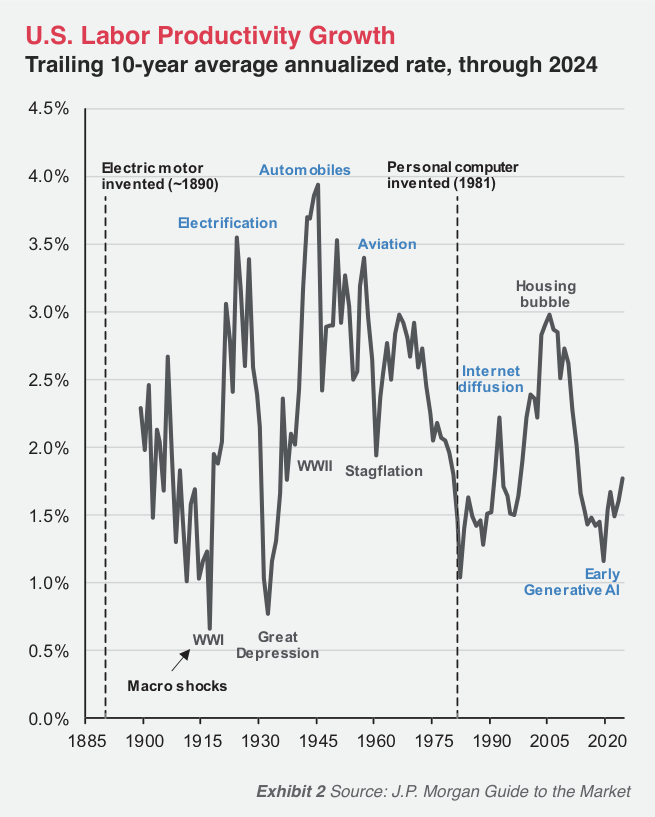
The third and more realistic path is a combination of technology re rating higher with modest valuation expansion across other sectors. Under this scenario, selective revaluation coupled with continued earnings growth could drive low to mid teens returns in aggregate for equities. This is a constructive but not exuberant outcome, and it depends on several macroeconomic fundamentals. Specifically, productivity growth in the United States is currently among the strongest in decades, driven in part by capital investment in advanced technologies. A pro cyclical labor market supports consumer demand rather than hindering it, and fiscal and monetary policy remain accommodative, providing a supportive backdrop for company profits.
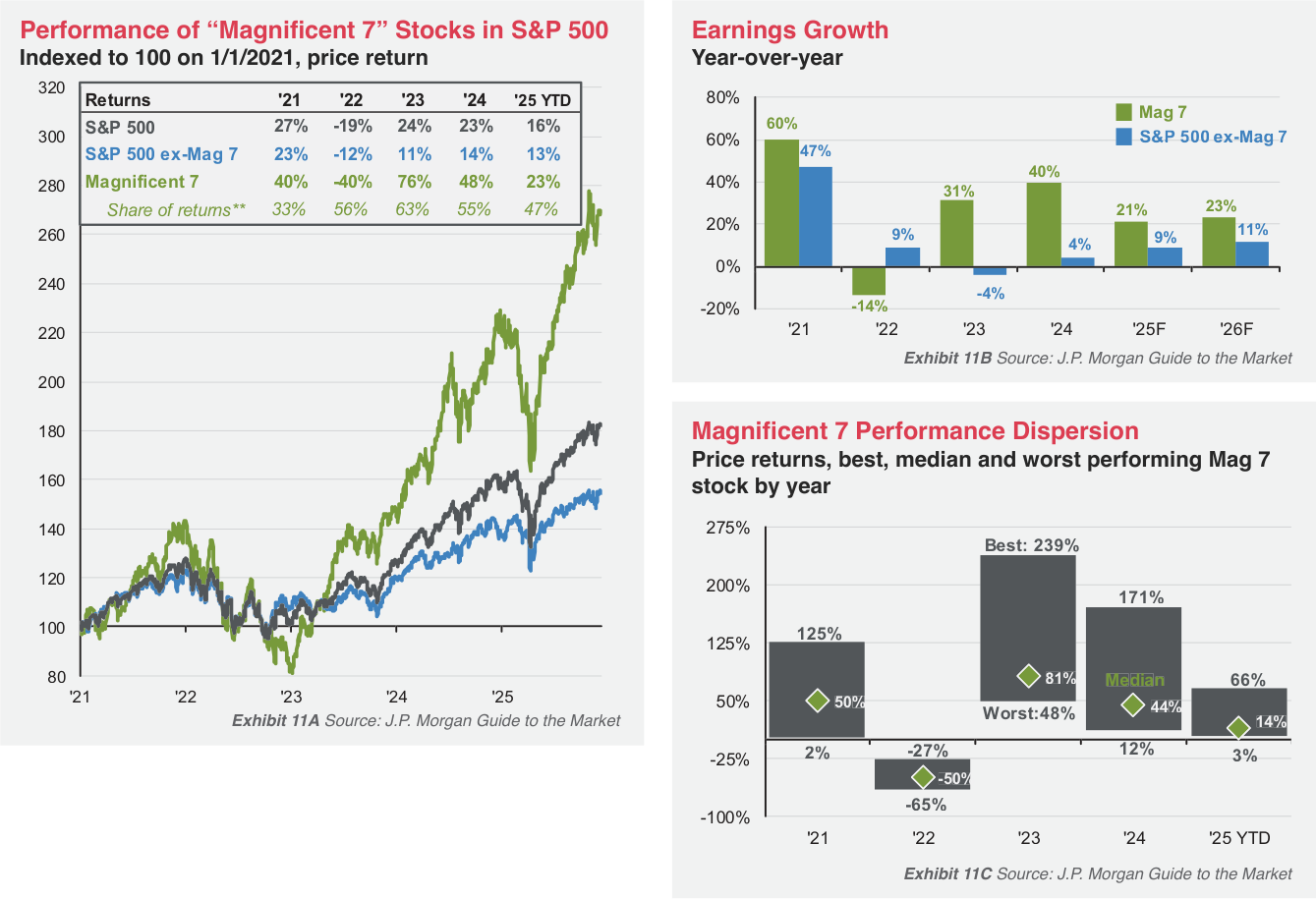
Margins also have room to expand in a benign macroeconomic environment. Corporate profitability demonstrated through robust cost management and pricing power has helped sustain valuations even in the face of broader economic volatility. Elevated margins are particularly pronounced in technology and sectors benefiting from network effects and platform scale, strengthening the case for forward earnings growth to translate into investor returns.
Despite these positive structural and cyclical factors, investors should remain mindful of risk. Elevated valuation levels historically correlate with lower forward returns over multi year horizons, even when strong earnings growth persists. Markets trading at high multiples often see lower long run returns, and valuation models suggest that future returns may fall below historical benchmarks if valuations revert toward long term means.
In summary, for 2026 we view equities as fairly priced to slightly expensive on traditional valuation metrics, with strong earnings expectations substantially embedded in current prices. However, this is not a traditional market. While we do acknowledge that current equity valuations are elevated and much of the expected earnings growth appears priced in, a path to 10% or higher returns in 2026 remains realistic. This outcome would be supported by the strongest productivity growth in over three decades, a labor market that is expanding alongside the cycle rather than constraining it, and a policy environment that remains broadly stimulative on both the fiscal and monetary fronts. In this setting, even a gradual increase in earnings combined with modest multiple expansion could drive low double-digit gains, provided the cycle remains intact and macroeconomic conditions continue to evolve favorably.
HOUSE VIEW: 10%+ U.S. Equity return for CY 2026.
International Equities
As we look ahead to 2026, it’s important to take a step back and understand the fundamental forces that drive international equity markets. Unlike U.S. stocks, which are typically influenced by three key elements, corporate earnings growth, valuation multiples, and dividends, international equities are shaped by a fourth critical factor: currency fluctuations. Together, these four components: earnings, valuations, dividends, and currency movements determine the total return investors receive from international stock markets. This currency effect can either amplify gains or offset progress, making it an essential element in any global investment discussion.
The U.S. dollar plays an outsized role in shaping the path of international equities. Over the past decade, global capital has flowed heavily into the U.S., supporting the dollar and helping finance America’s persistent current account and budget deficits. This demand was driven by the U.S. offering higher interest rates, stronger economic growth, and attractive returns across asset classes especially in technology and fixed income. For international investors, the U.S. was a magnet for capital, and the dollar remained firm as a result.
However, structural imbalances are starting to emerge. The world cannot indefinitely rely on the U.S. to absorb the lion’s share of global savings. At some point, this imbalance becomes unsustainable. To correct it, capital must begin to flow back into other regions, namely, Europe and Asia. As this rebalancing unfolds, we expect the dollar to gradually weaken over time. A shift in capital flows toward foreign markets will naturally put downward pressure on the dollar, as investors convert U.S. assets back into euros, yen, and other currencies. This process won’t happen overnight, but it is a powerful structural force that we believe will play out over multiple years.
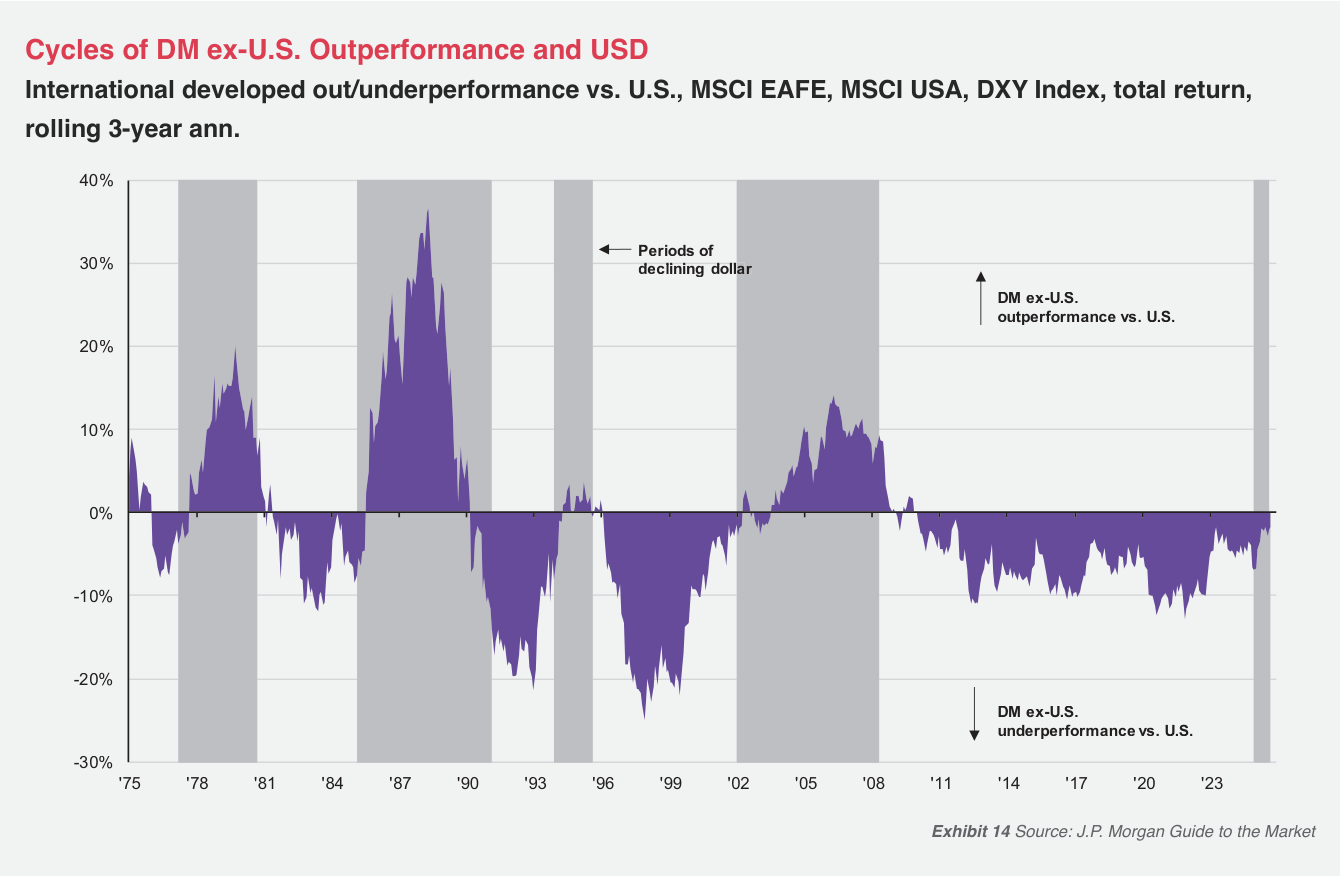
Beyond the currency tailwind, the earnings picture for international companies also looks increasingly favorable. Across several non-U.S. regions, earnings growth is expected to accelerate into double-digit territory, supported by economic resilience, capital investment, and favorable policy shifts. While challenges remain ranging from demographic headwinds in Europe and China to geopolitical volatility in emerging markets there are still a number of standout opportunities for long-term investors.
In fact, 2025 offered a preview of what this transition may look like. The U.S. dollar, as measured by the DXY index, declined by 9.4% over the calendar year. That currency drop acted as a meaningful tailwind for international equities, effectively boosting dollar-based returns for U.S. investors. While we do not expect a repeat of that magnitude in 2026, we do see continued, modest dollar depreciation, on the order of 2% to 3%, as likely. While currency moves are never linear, the direction of travel seems increasingly clear. Our house view remains that the dollar will continue to weaken, albeit at a more measured pace.
HOUSE VIEW: Dollar Weakness Continues but at a more moderate pace than 2025 (~2% depreciation per annum).
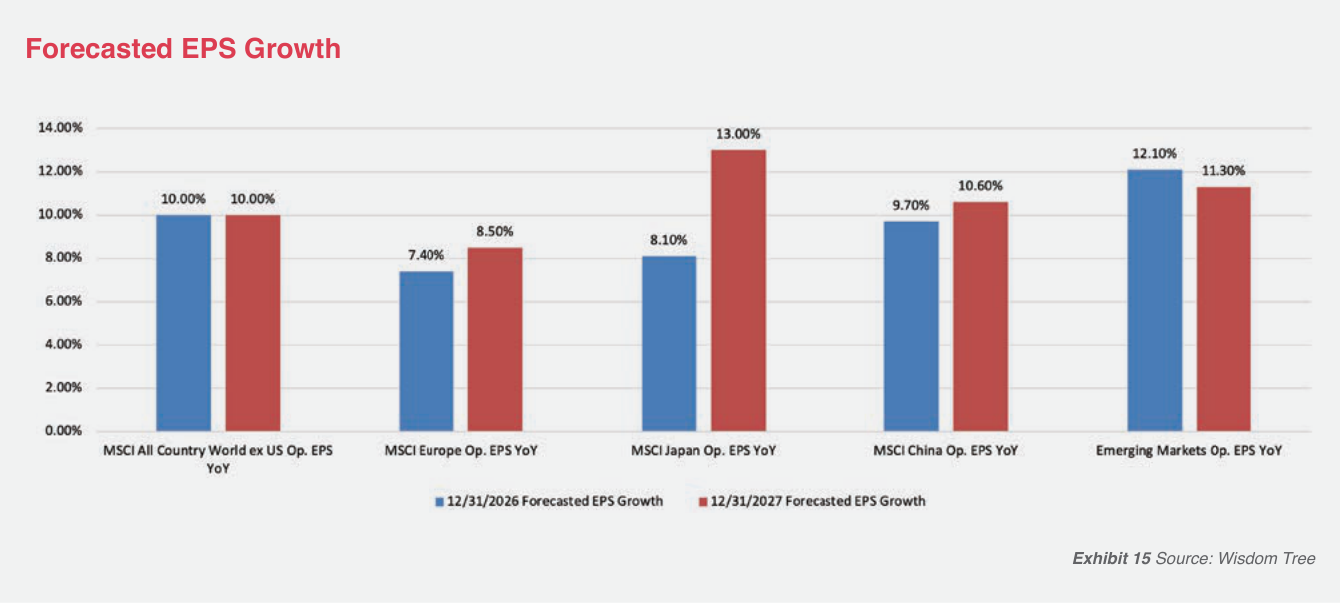
Emerging markets present a more nuanced story. Economic resilience has improved in many countries, but selectivity is essential. We are particularly focused on emerging markets that are tied to long-term secular trends such as the global energy transition and AI infrastructure buildout. Countries like Mexico, Brazil, and Vietnam are also benefiting from the reshaping of global supply chains, as firms diversify away from China and toward alternative production hubs.
Among emerging markets, India stands out as one of the most compelling opportunities for long-term investors. Its demographics, marked by a large, young, and growing working-age population, offer a structural advantage unmatched by most other major economies. India is also increasingly positioning itself as a multi-aligned global player, benefiting from both Western and Eastern capital flows. The country’s expanding middle class, rising productivity, and steady policy reforms support our view that Indian equities deserve an allocation, particularly for investors with multi-year horizons.
In summary, the investment case for international equities is gaining strength as we enter 2026. The combination of a weaker dollar, improving earnings growth, and shifting capital flows creates a favorable backdrop for global diversification. While we remain positive on U.S. markets, particularly as AI adoption broadens, we believe that now is a prudent time to reassess international exposure. Selectivity and regional nuance will be key, but the long-term benefits of geographic diversification are as relevant as ever. For investors seeking to position portfolios for the next phase of the global cycle, international equities may offer both resilience and return potential in the years ahead.
We remain overweight U.S. equities in our core allocation, particularly given the broadening of the artificial intelligence (AI) theme beyond a handful of mega-cap names. AI-driven demand is now benefiting a wider swath of the global economy, including key international players in semiconductor manufacturing and advanced hardware. Countries like South Korea, Taiwan, and even China are increasingly relevant in this next wave of innovation.
That said, our positioning within international markets is highly selective. Japanese equities remain one of our preferred exposures. Japan is undergoing a profound structural shift, marked by rising nominal GDP, an uptick in corporate investment, and a meaningful set of governance reforms aimed at making companies more efficient and shareholder-friendly. The gradual unwinding of legacy cross-shareholdings and greater capital discipline are helping unlock value that has been dormant for decades.
In Europe, we continue to see opportunities within specific sectors but remain neutral on the region as a whole. Europe’s earnings growth continues to lag behind that of the U.S., and without more business-friendly reforms and deeper capital markets, it may struggle to deliver consistent outperformance.
China’s macroeconomic picture remains constrained by structural issues in the property sector and an aging population. While relations with the U.S. have stabilized somewhat, underlying growth remains subdued. Still, areas such as AI hardware and industrial automation continue to show resilience. As always with China, policy direction and implementation will be key, and we maintain a cautious but open stance.
HOUSE VIEW: +8-10% International Equity Returns for CY 2026.
Fixed Income Markets
As we look ahead to 2026, we believe the fixed income landscape is entering a more balanced but still opportunity-rich phase. Yields across most sectors have come off their peaks, but they remain elevated compared to the post- 2008 and pre-pandemic norm. For long-term investors, income is back, and fixed income is once again playing a meaningful role in diversified portfolios.
Rates
We expect long term interest rates to remain relatively range bound around the 4.25% level on the 10 year U.S. Treasury yield by year end 2026, driven by a combination of resilient economic growth and inflation that, while gradually moderating, remains above pre pandemic norms (and the Fed’s target). This outlook reflects a structural backdrop in which robust demand for credit, persistent inflation pressures, and supply factors all contribute to elevated yields compared with historical averages. Consensus forecasts across major markets point to modest upward pressure on the 10 year yield as investors price in sticky inflation and stronger growth expectations, despite some expectations for eventual rate cuts from the Federal Reserve.
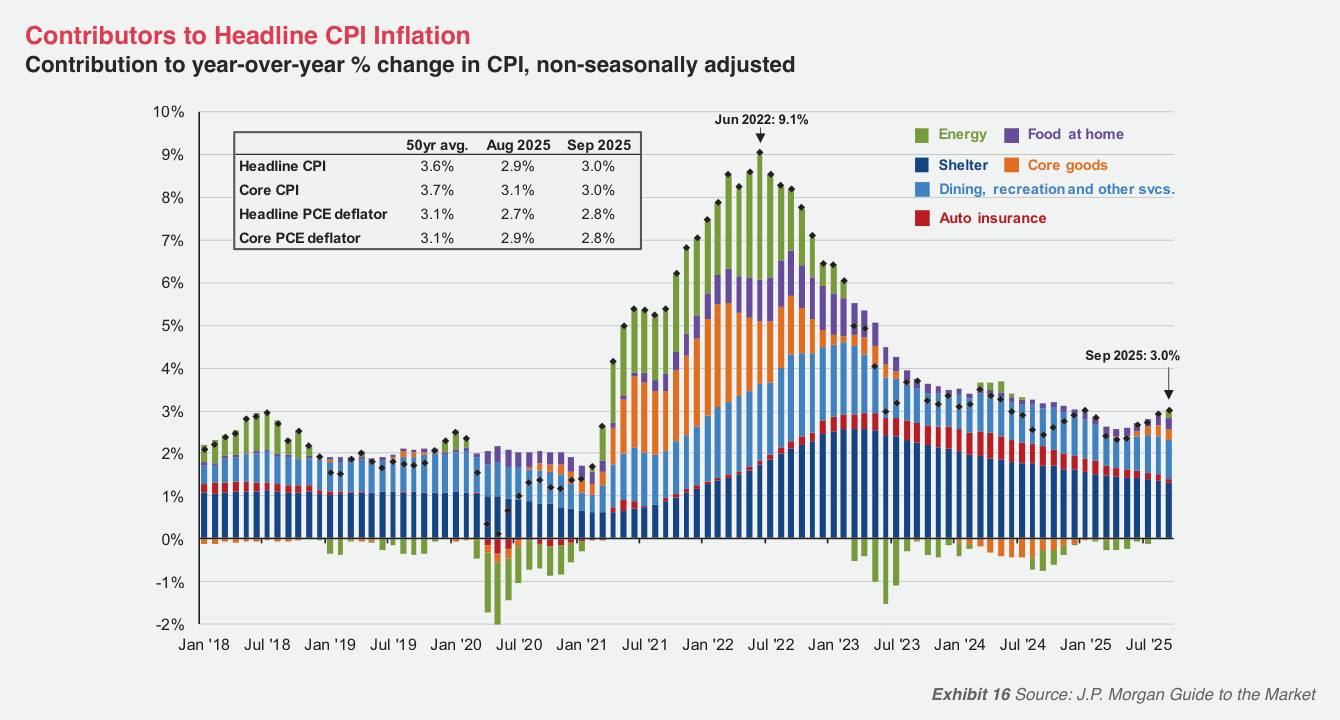
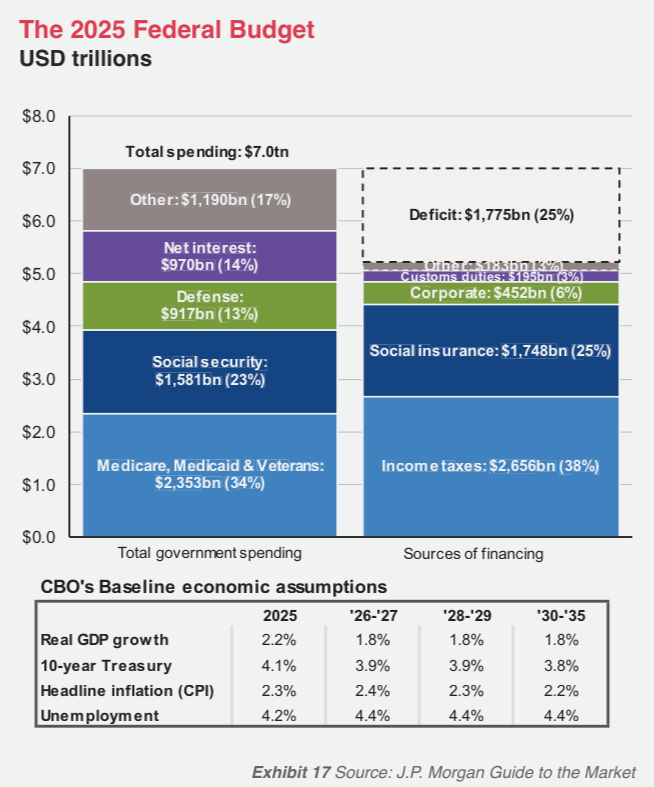
In this environment, the traditional relationship between monetary policy and long term yields has become more complex. Even as the Federal Reserve continues to consider modest rate cuts in 2026, the 10 year Treasury yield is likely to remain anchored at elevated levels because inflation expectations and term premiums (the extra compensation investors demand for holding longer maturity bonds) have risen alongside broader fiscal and economic trends. Research on yield decomposition shows that term premia tend to move higher in response to elevated supply and fiscal deficits, adding upward pressure on longer dated yields.
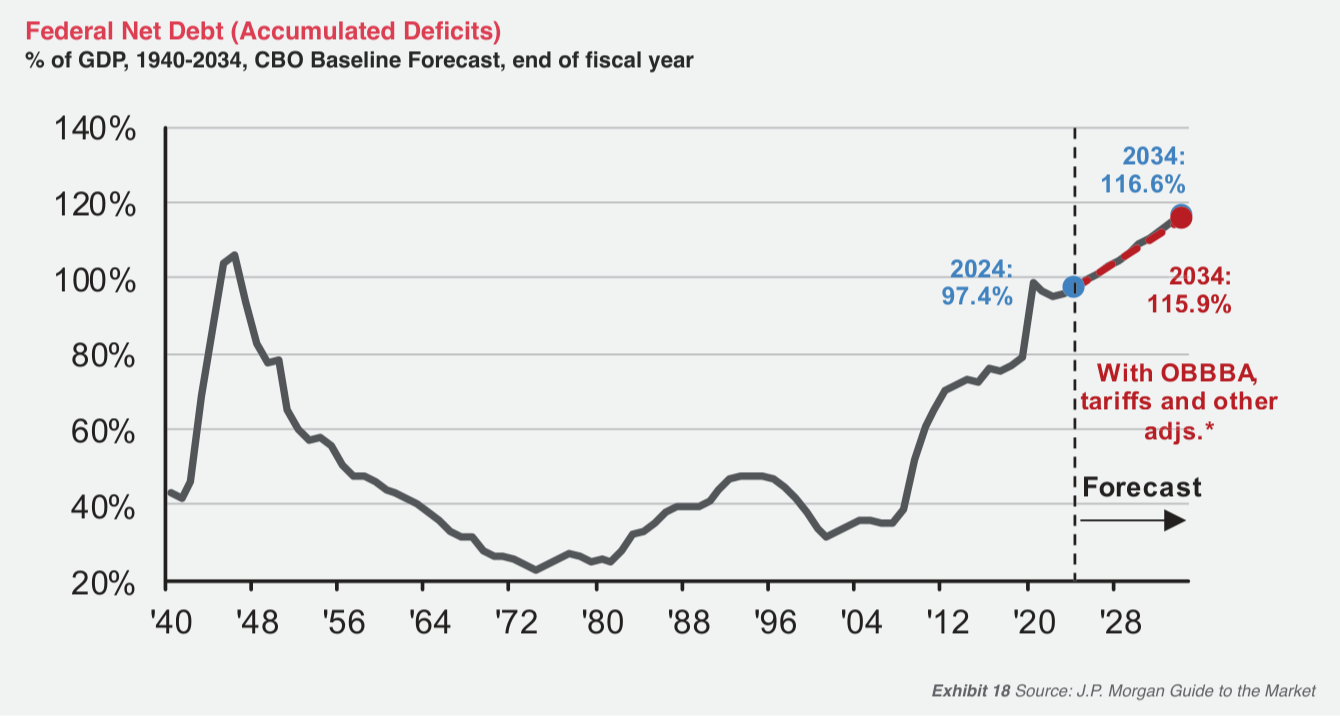
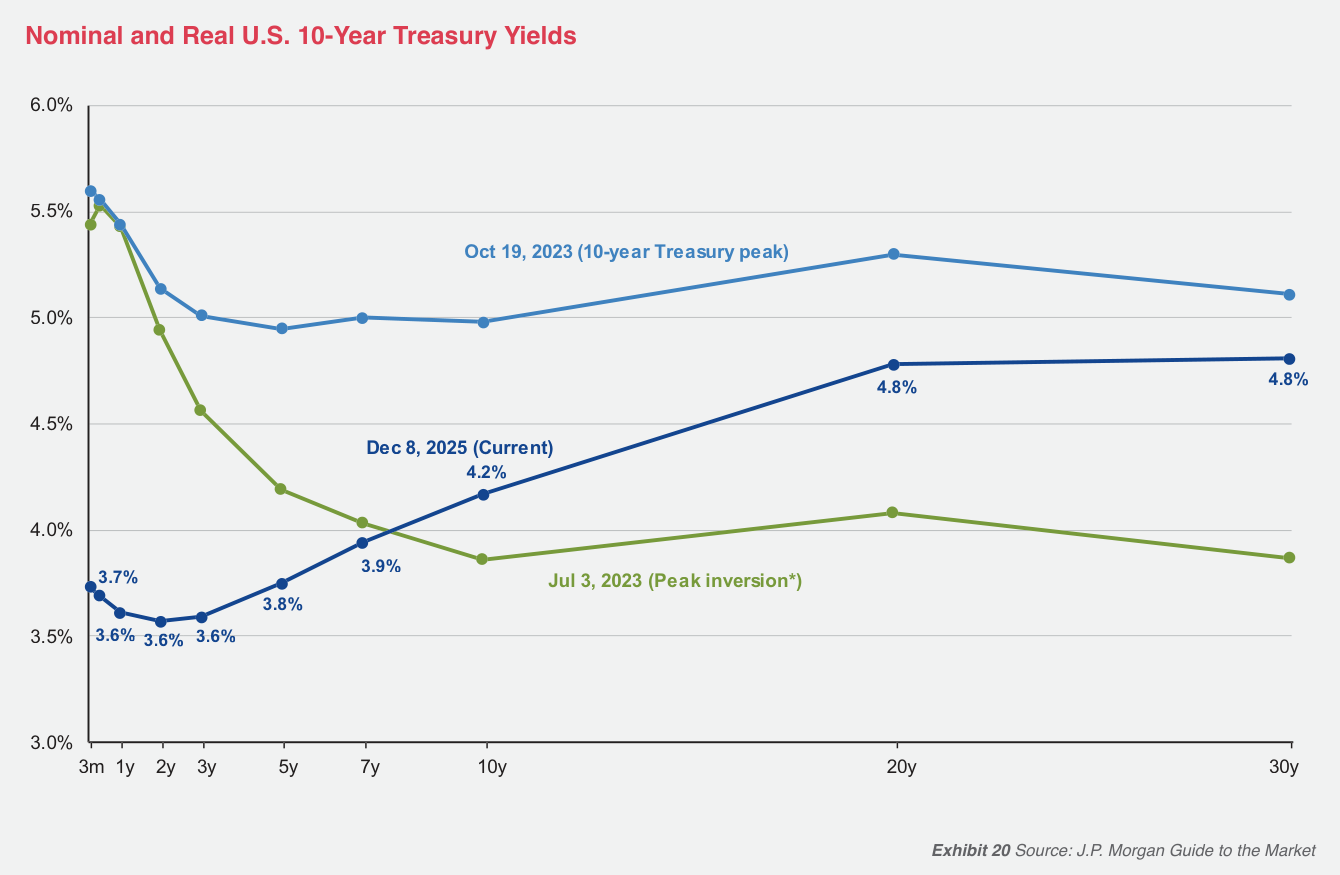
With this backdrop, we see modest steepening in the yield curve as short term policy rates drift lower while long term yields remain elevated. This dynamic reflects market expectations for a shallow easing cycle from the Federal Reserve that is unlikely to fully offset inflation persistence and the macroeconomic forces supporting interest rates.
Many market observers believe that even if inflation gradually moves closer to targets, long term yields are unlikely to fall significantly below current levels because term premiums and inflation expectations will remain elevated relative to recent history.
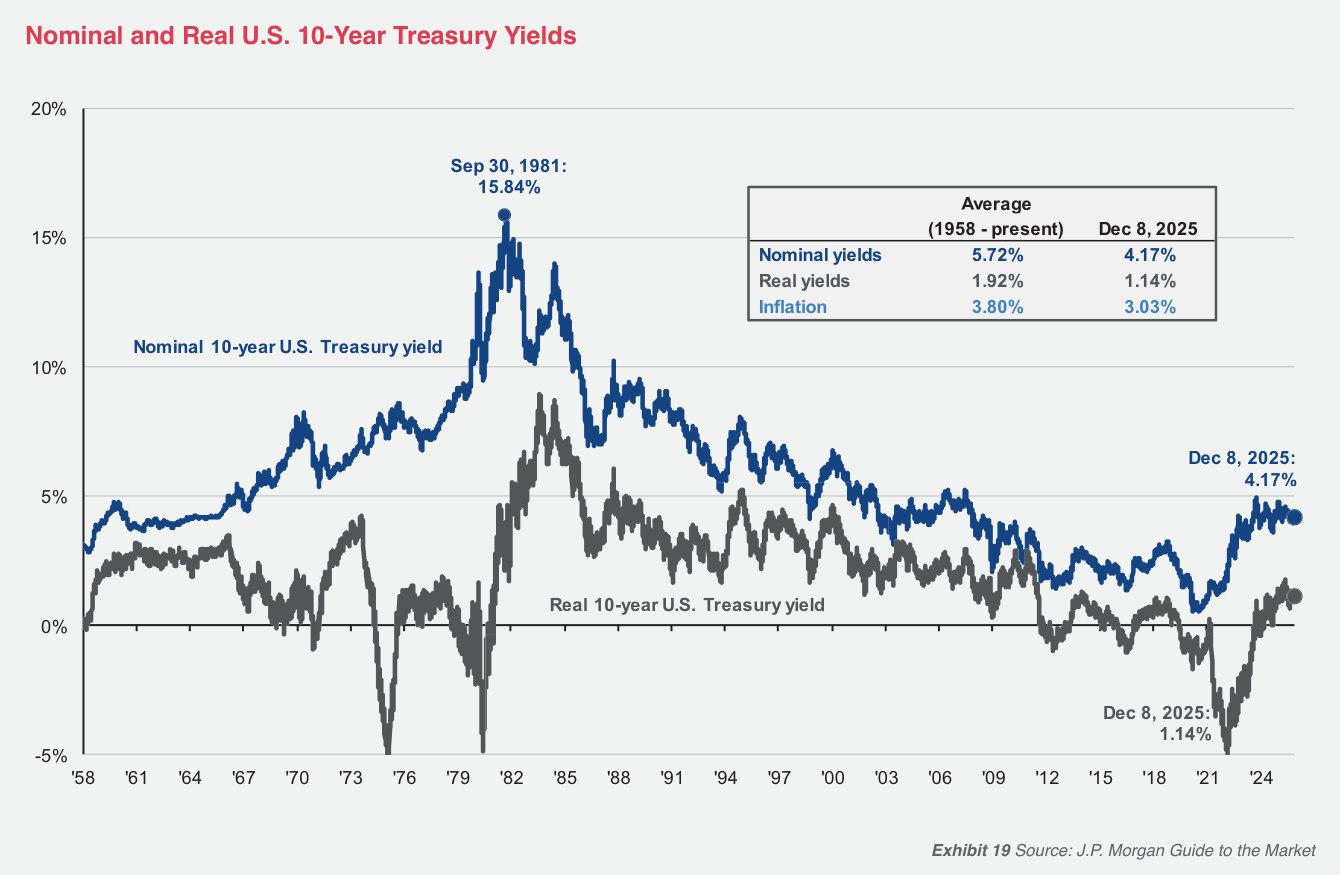
At the same time, it is important to acknowledge the tactical risks to this view. If inflation moderates more quickly than expected (for example, through sharper deceleration in services inflation or stronger real wage growth cooling consumer pricing pressures) Treasury yields could temporarily decline toward current levels, offering capital gains opportunities for long maturities. Similarly, better than expected government revenues and narrowing budget deficits could ease pressure on bond markets and reduce the term premium, resulting in lower long term yields in the near term. In such a scenario, long duration bonds could outperform their current forecasts.
We are neutral on Treasury Inflation Protected Securities (TIPS). We believe inflation will settle above long run pre pandemic levels on average, reflecting persistent price pressures across services and core components of inflation that tend to adjust slowly over time. However, markets may not fully price in these dynamics near term if growth cools gradually and inflation measures trend lower before stabilizing. TIPS offer a useful hedge against the risk of sustained inflation above markets’ breakeven expectations, which remain an important indicator of future price pressures embedded in bond markets.
Given this outlook for interest rates, our positioning within fixed income reflects a differentiated view across maturities. At the short end of the yield curve, we are neutral on short duration Treasuries. While this segment offers attractive carry relative to recent years and provides liquidity and capital preservation benefits, the decline in short end yields alongside the U.S. policy rate has reduced the relative appeal of cash like strategies compared with other income producing assets. Investors are already compensated for holding short maturities through higher yields than we have seen historically, but we believe other sectors of fixed income may offer more compelling total return opportunities once broader rate expectations settle.
At the long end of the curve, we remain underweight long duration Treasuries. Elevated debt servicing costs and persistent issuance to fund government deficits are likely to keep term premium elevated, pushing yields higher and limiting price appreciation for long Treasuries. Term premium measures (which represent compensation for bearing the risk of changes in interest rates and inflation over the life of a bond) have increased as investors demand greater reward for uncertainty in inflation dynamics and fiscal policy.
Credit
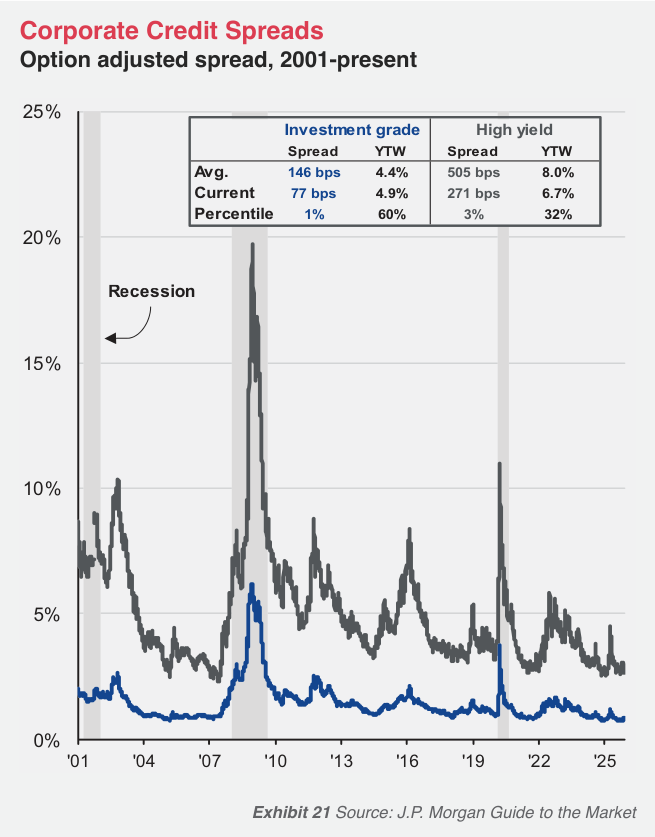
For stepping out and taking risk beyond government bonds, the key now is selectivity: with credit spreads historically tight, rates still elevated, and inflation gradually cooling, we are leaning into parts of the market where the risk-adjusted carry remains attractive.
Credit spreads are, without question, tight by historical standards. Investment-grade (IG) corporate spreads are trading around 80 basis points, and high-yield (HY) spreads hover near 280 basis points, levels that rank near the low end of multi-decade ranges. But it’s important to keep that in context. We are not in a stressed macro environment. Quite the opposite. The macro backdrop remains broadly supportive: growth is holding up, inflation is stabilizing, and default rates are expected to decline through the year. With both monetary and fiscal policy still leaning pro-cyclical, we think this environment can continue to support tight spreads and in some cases, allow spreads to grind even tighter from here.
We are neutral on short-duration IG credit. Corporates remain fundamentally strong, with healthy earnings, stable margins, and improving leverage ratios. However, as the Fed cuts policy rates and Treasury yields decline, there’s a risk that some investors rotate out of corporates and back into government paper. Additionally, any increase in corporate issuance, especially if tied to refinancing or opportunistic capital raising (i.e. AI spend), could modestly pressure spreads wider. For that reason, we’re happy to hold short-duration credit, but we’re not adding aggressively here.
In contrast, we are underweight long-duration IG credit. While longer-dated corporates can offer a bit more yield pickup, they come with significantly more interest rate risk. In a world where term premium remains elevated due to debt supply and fiscal dynamics, we prefer to limit our exposure to duration. There’s simply not enough compensation in long corporates today to justify the volatility if long Treasury yields rise further or remain sticky around current levels.
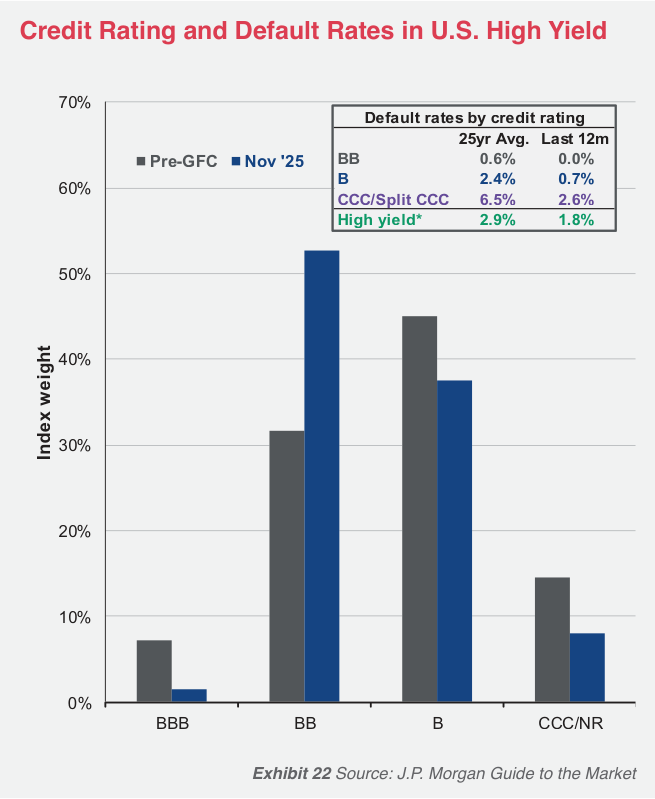
We are neutral on high yield, but with a more selective lens. High yield still offers compelling carry especially in an environment where economic growth continues to hold up and default risk is retreating. That said, this is no longer a “beta” market. We expect more dispersion between stronger and weaker issuers, particularly as debt servicing costs rise and refinancing windows shift. Investors need to be more credit-specific and thoughtful about sector and balance sheet quality. The days of broad-based rallying in junk credit are likely behind us for now.
One area where we are more constructive is Agency mortgage-backed securities (Agency MBS). We are overweight this sector. In our view, Agency MBS offer a compelling mix of higher income relative to Treasuries, with very similar credit risk and better diversification benefits especially in an environment where inflation remains sticky and fiscal supply concerns weigh on the long end of the curve. Agency MBS spreads have narrowed in recent months, but they still provide attractive risk-adjusted income, particularly for taxable investors and those looking to hedge duration exposure in a high-debt environment. In short, while much of the easy upside in credit has already been realized, the case for staying invested remains solid. Fundamentals are strong, technicals remain favorable, and the macro environment continues to support tight spreads. That said, this is a market that requires precision. We’re focused on segments that offer meaningful income without taking undue risk, and we remain cautious on longer-duration credit where compensation is not sufficient for the volatility.
Municipals
Municipal bonds have staged a strong comeback in recent months, and we believe the setup heading into 2026 continues to favor the asset class. The rebound has been driven in large part by a slowdown in new issuance. After hitting record levels earlier this year, supply has moderated meaningfully. Looking ahead, we expect municipal bond issuance to remain relatively contained, which should help support prices and provide a favorable technical backdrop for investors.
On the fundamental side, the story remains constructive. Most state and local governments continue to show solid fiscal health, with balanced budgets, conservative debt management, and adequate reserves built up during the post-pandemic recovery. While some federal funding programs are beginning to roll off, the overall credit profile of the municipal market is still strong. Ratings agencies continue to highlight stable outlooks across most sectors. That said, we do see some areas such as higher education as more exposed. Institutions with weaker enrollment trends or overbuilt campuses may face funding challenges. This is where we believe active management plays a critical role. The dispersion in credit quality is increasing, and skilled managers can navigate these nuances to avoid potential pitfalls and uncover pockets of value.
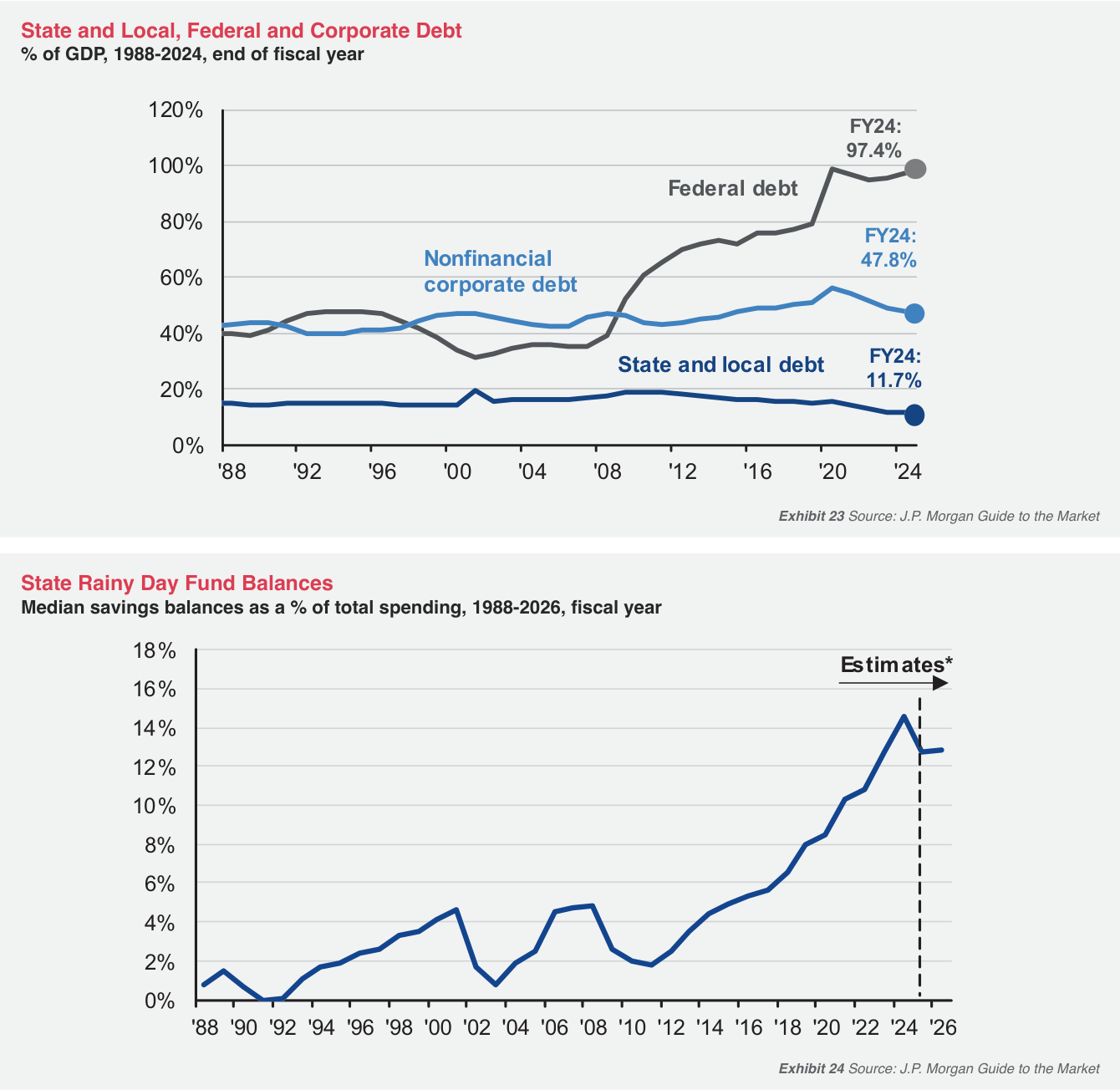
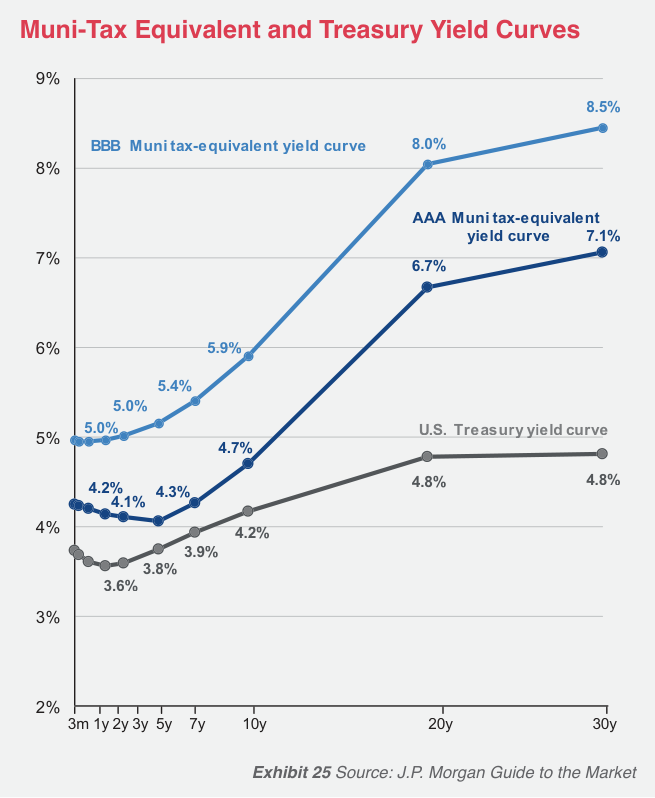
What makes municipals especially interesting right now is the relative shape of the yield curve. The municipal curve remains significantly steeper than the Treasury curve, and that creates an opportunity for investors willing to extend duration. In short, investors are getting paid more to go out longer on the municipal curve than they are in Treasuries. That makes longer-dated, high-quality municipal bonds look particularly attractive from a risk-reward standpoint, especially for clients in higher tax brackets who can take advantage of the tax-exempt income.
In our view, municipal bonds remain a compelling part of a diversified fixed income strategy. With supportive technicals, strong fundamentals, and an attractive curve relative to Treasuries, the asset class offers investors a way to lock in durable, tax-advantaged income. For taxable investors with a long-term horizon, we continue to favor intermediate to long-duration municipals, particularly when paired with active credit selection to manage sector and issuer-specific risks.
Looking forward, we expect fixed income returns in 2026 to be driven largely by income, not price appreciation. For clients, that means fixed income can once again play its traditional role: a stable, income-producing core in a diversified portfolio. The opportunity is still there you just have to be more discerning in where you look.
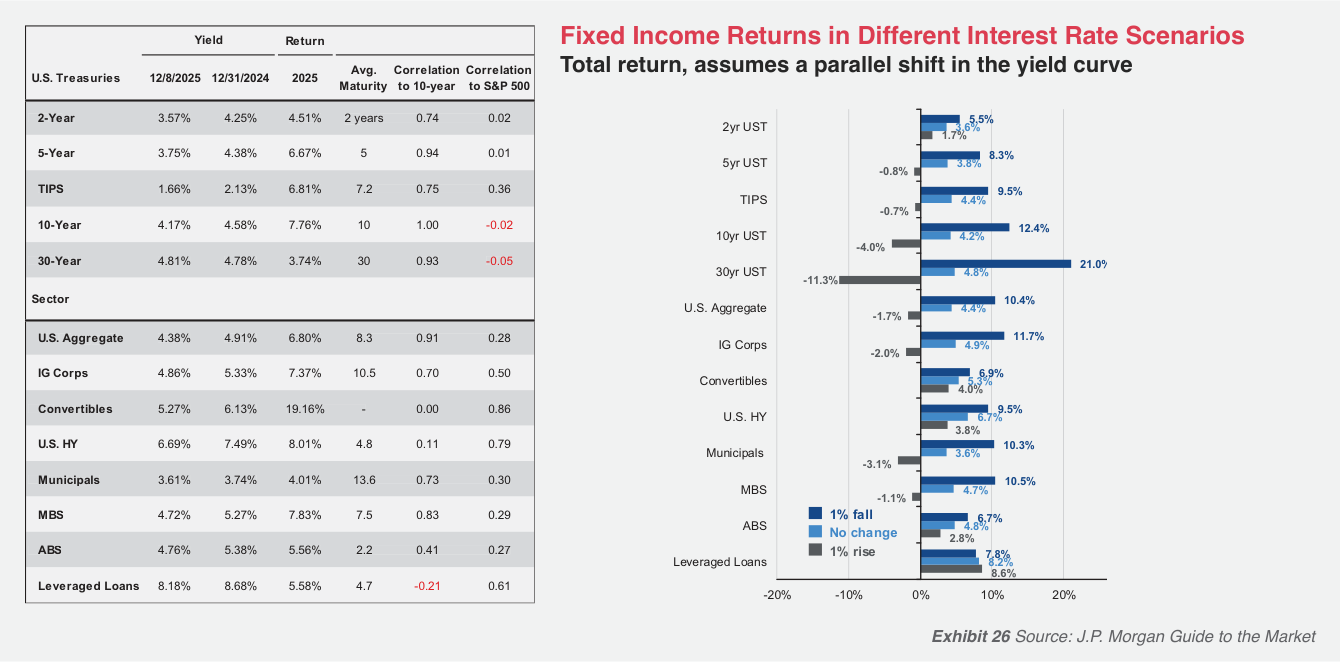
HOUSE VIEW: Fixed income +4% for CY 2026.
Commodity Markets
Energy
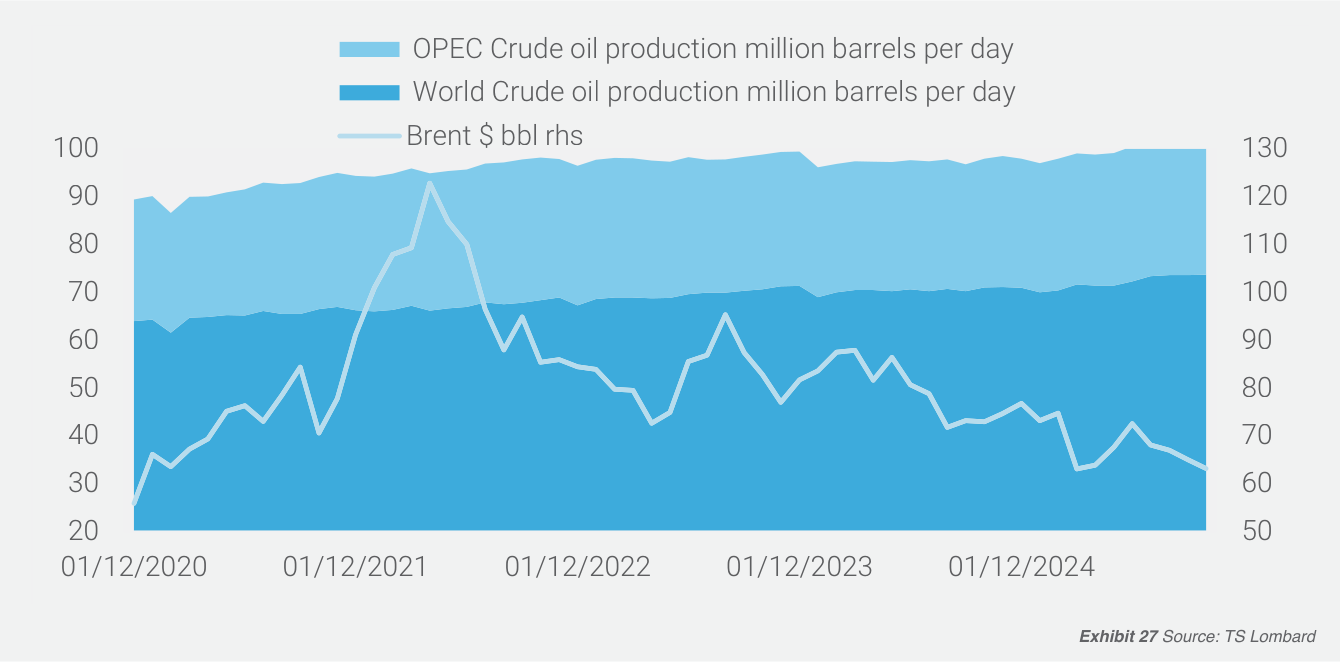
OPEC is expected to gradually unwind its prior production cuts, while non-OPEC producers such as Canada, Nigeria, Guyana, and Brazil continue to ramp up output. These new supply channels act as a cushion against runaway prices. While geopolitical risk remains a wild card particularly in the Middle East or related to the Ukraine conflict, the direction of travel suggests downside risk to oil, not upside. With both supply and demand in relative balance, we see crude prices staying within a stable range of roughly $65 to $70 per barrel, rather than breaking out meaningfully in either direction.
In today’s increasingly fractured geopolitical landscape, energy prices remain vulnerable to sudden spikes, especially during periods of conflict or supply disruption. However, we believe the broader picture in 2026 points to a well-supplied market that can absorb shocks without leading to a sustained surge in prices. Global demand for energy remains strong, supported by our above-consensus view on global growth. But crucially, supply appears able to meet that demand.
Gold
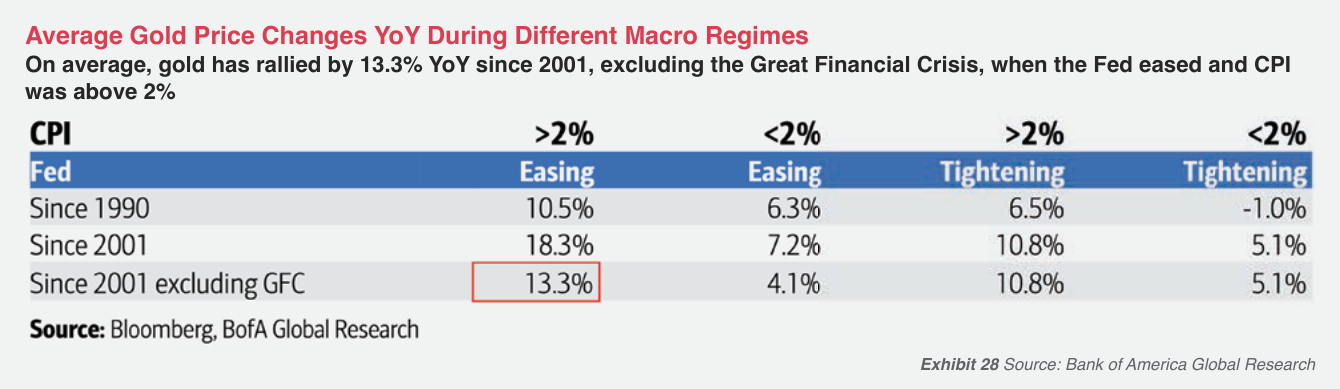
Gold had a remarkable run over the past year, today it is over $4,300 an ounce after starting the year close to $2,600 an ounce. While we acknowledge that gold looks technically overbought in the short term, we believe it remains strategically under owned by investors and the underlying reasons for its rise haven’t gone away.
Concerns around fiscal sustainability in the U.S. and other major developed economies remain front and center, particularly with growing debt and political gridlock. At the same time, the U.S. is adopting a more isolationist policy, which raises broader questions about dollar dominance and long-term currency diversification. This backdrop has spurred renewed interest from global central banks in adding gold to their reserves as a strategic hedge. For long-term investors, we continue to view gold as a useful portfolio diversifier, especially in an era where geopolitical risk, fiscal imbalances, and currency volatility all remain elevated.
Industrial Metals
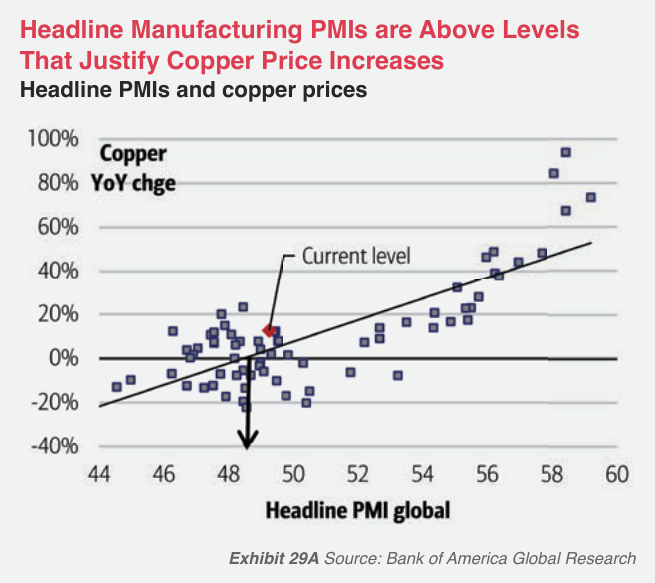
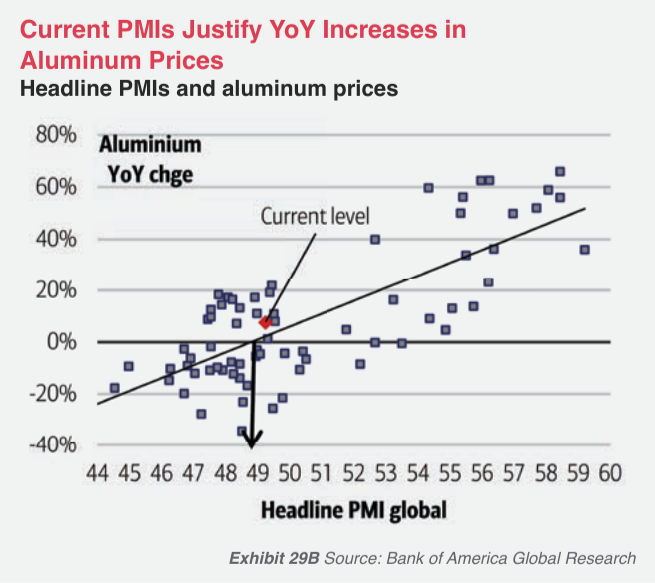
The outlook for industrial metals in 2026 is increasingly constructive. The macro backdrop marked by easier monetary and fiscal policy, stabilizing trade dynamics, and early signs of a manufacturing rebound sets the stage for stronger demand. Last year, the strained relationship between the U.S. and China weighed on manufacturing and construction activity, yet metals prices still held firm. That resilience suggests that any recovery in global industrial activity could serve as a catalyst for metals going forward.
Inventories for key metals like aluminum and zinc remain at historically low levels, creating potential for shortages if demand picks up. Copper in particular stands out. Global mining costs are rising, and with decarbonization and electrification trends continuing, demand is likely to structurally outpace new supply in the coming years. This implies that higher copper prices may be needed just to incentivize enough production. For long-term investors, this dynamic supports a bullish case for selected industrial metals, especially those critical to infrastructure, electrification, and energy transition themes.
Risks
Downside Risk: Volatility During Mid Term Years
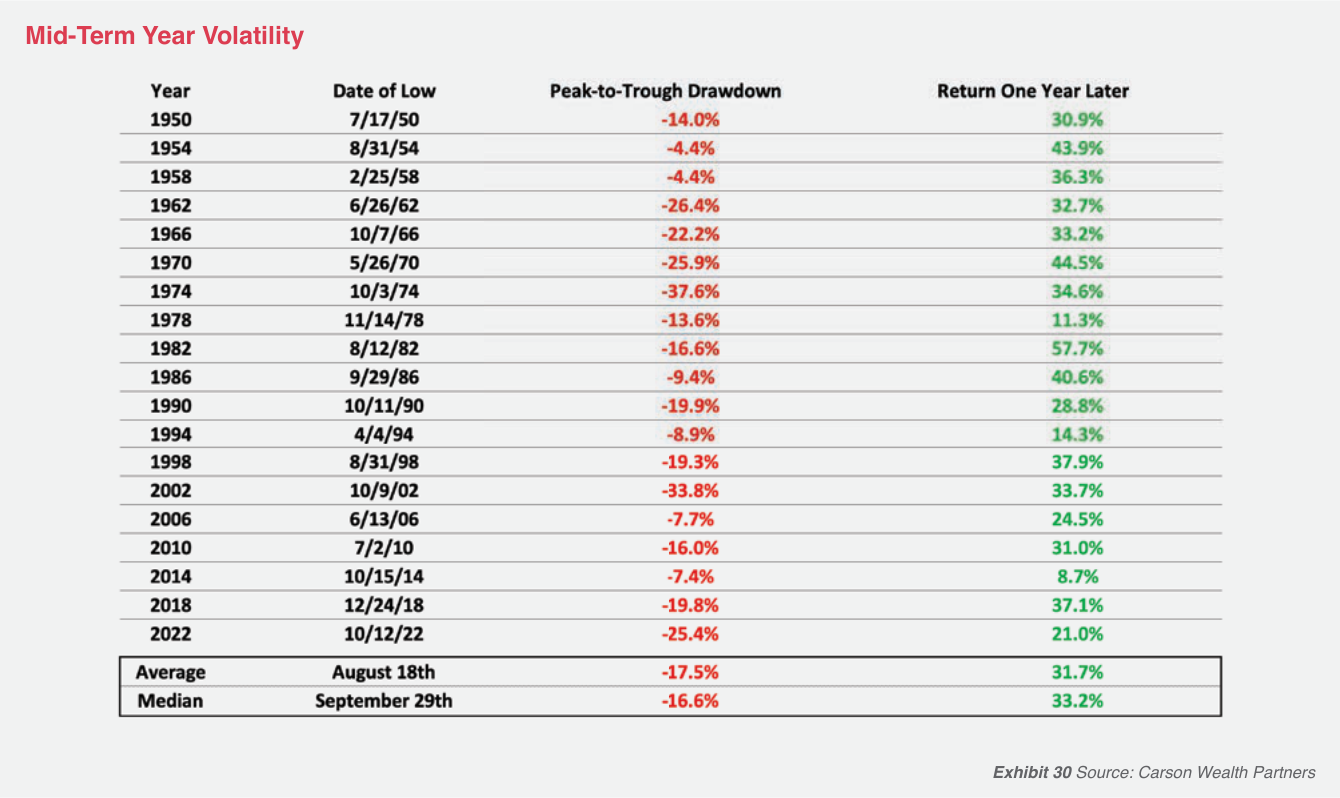
Midterm election years tend to be the weakest in the four-year U.S. presidential cycle, with average gains of less than 5% and notable examples like 2018 and 2022 showing sharp market declines. However, markets perform better in midterm years when a president is in their second term, offering some historical optimism for 2025. These years are especially known for heightened volatility, with an average intra-year market drop of 17.5%, the largest of any presidential cycle year. Encouragingly, stocks have historically rallied strongly after these pullbacks, gaining nearly 32% on average one year from the midterm low. While markets often bottom later in the year, staying invested through the turbulence has historically paid off.
Downside Risk: Federal Reserve Chairman Selection
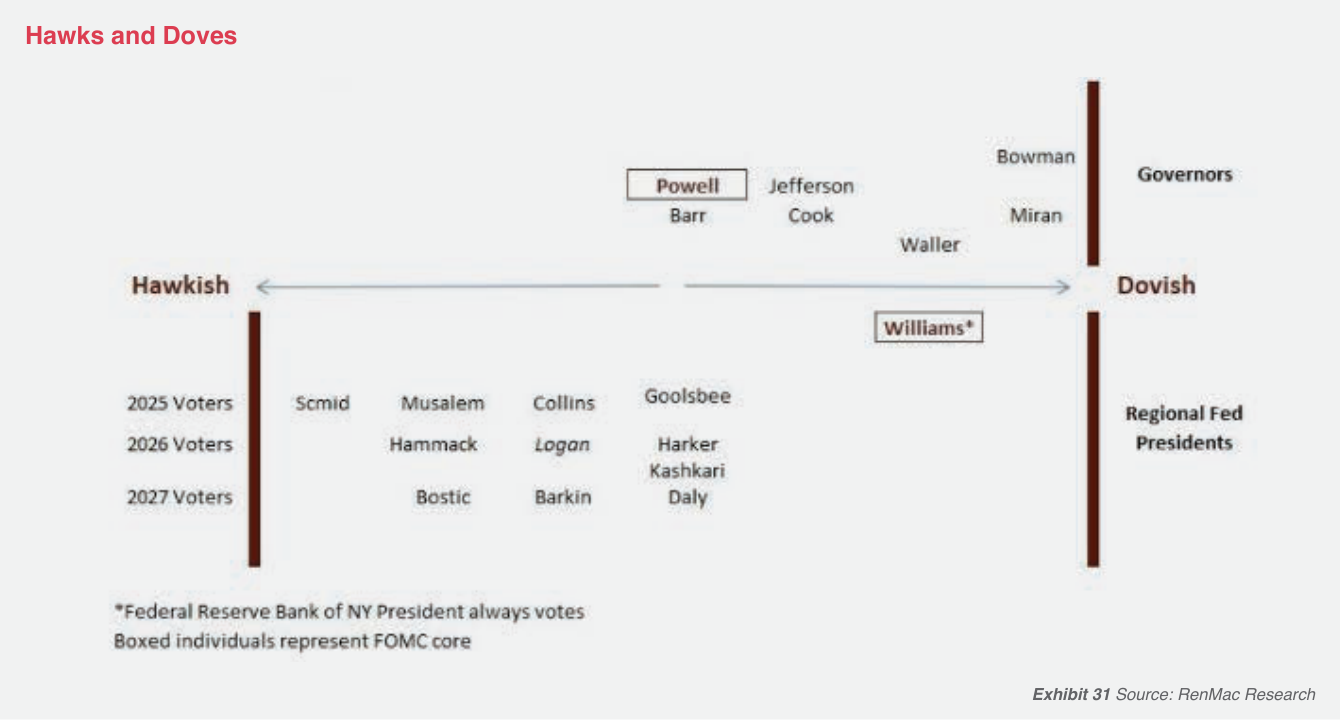
The 2026 selection of a new Federal Reserve Chair introduces meaningful risk for markets and the economy due to uncertainty around future monetary policy. A shift in leadership could bring changes in how the Fed approaches inflation, interest rates, and financial stability potentially unsettling investors accustomed to Jerome Powell’s balanced approach. Markets may react negatively if the nominee is viewed as overly political, too dovish on inflation, or likely to diverge sharply from current policy norms. This transition also comes at a time when investor confidence in Fed credibility is critical, especially if inflation remains sticky or growth slows. The nomination process itself could trigger volatility, particularly if it becomes politicized in a divided government. Overall, the leadership handoff could create a period of elevated uncertainty with implications for rates, valuations, and risk sentiment.
Another aspect to watch, While a new Fed Chair may be nominated in 2026, Jerome Powell’s term as a Federal Reserve Board Governor technically doesn’t end until 2028, since Fed governors serve 14-year terms (unless they resign). That means Powell could choose to stay on the Board even after stepping down as Chair. If he does remain, Powell could still have meaningful influence over internal Fed dynamics, policy decisions, or votes especially during a period of transition or if the new Chair lacks market trust or credibility. It is unclear how President Trump would react to him staying on.
Downside Risk: Deteriorating Labor Market
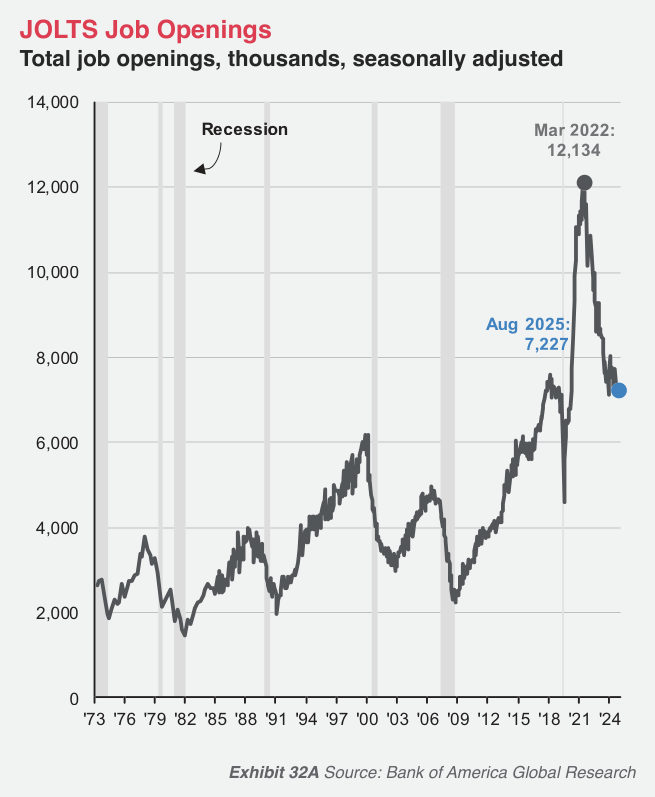
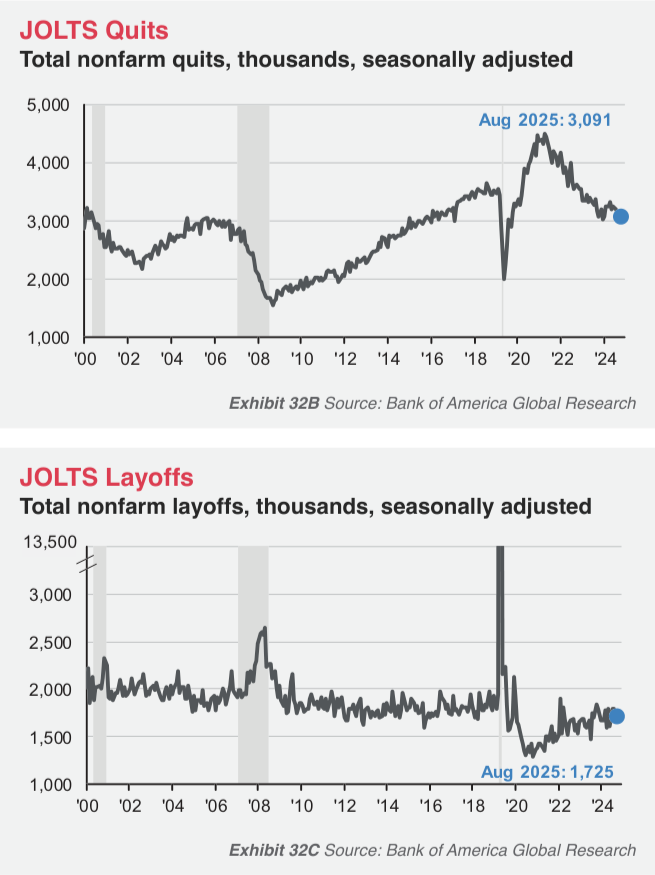
After years of tight labor conditions and wage inflation, the U.S. job market is showing early signs of cooling. If that softening accelerates into 2026, especially in a high-interest-rate environment, it could mark a tipping point for consumer spending, which has been remarkably resilient so far. Remember, the U.S. economy is over two-thirds consumer-driven; if job losses rise and wage growth slows, household confidence and consumption could contract sharply.
This would be especially dangerous if it occurs alongside still-sticky inflation or geopolitical shocks, limiting the Fed’s ability to cut rates aggressively. Furthermore, sectors that have been insulated, like professional services and tech, could finally feel the squeeze as corporate earnings come under pressure and margin compression forces headcount reductions.
Upside & Downside Risk: The AI Trade
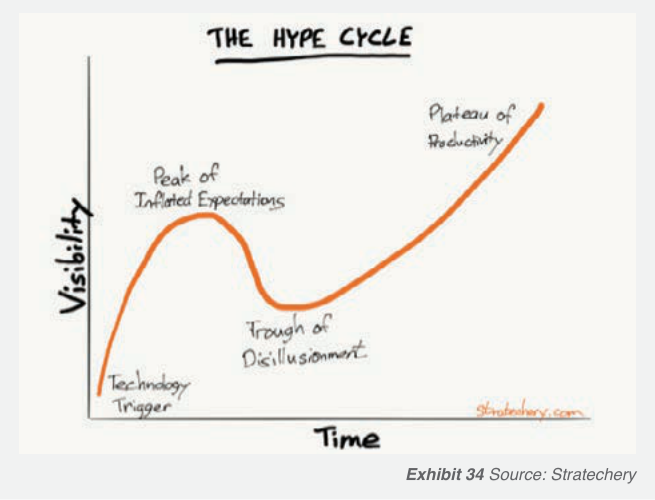
The Upside: The AI investment theme continues to be one of the most powerful macro forces in markets today, with potential implications far beyond the current tech landscape. On the upside, we’re witnessing capital spending at a scale that is reshaping not just the technology sector, but the broader economy potentially reaching as much as $8 trillion globally by 2030. What’s especially compelling is that AI is not just enhancing existing business models; it’s likely to create entirely new industries and revenue streams that we can’t fully quantify yet. This suggests a long runway of opportunity ahead, where the next wave of AI adoption may shift from the enablers to a much wider group of beneficiaries across sectors. For active investors, the evolving nature of AI presents a dynamic landscape to uncover future winners early as the technology moves from infrastructure buildout to broad economic integration.
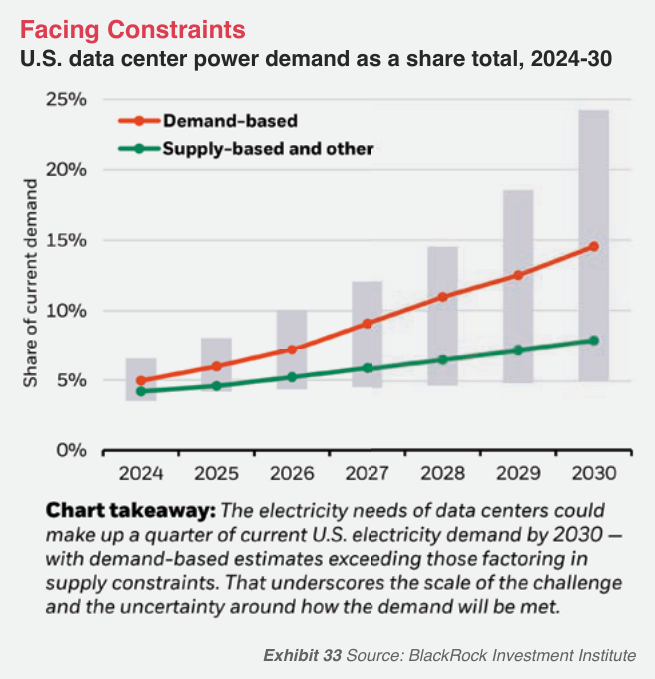
The Downside: That said, the downside risks are real and deserve close attention. The AI buildout, particularly in the U.S., faces significant physical and logistical constraints. Energy availability is quickly becoming the most pressing bottleneck, as AI data centers are extremely power-intensive, and our existing grid infrastructure is struggling to keep pace. In addition, land permitting, local regulatory hurdles, and political sensitivities around data, privacy, and national security may slow progress. If these constraints are not addressed quickly, they could delay the expected monetization of AI investments, increase costs, or limit the scale of adoption in key markets introducing both execution risk and valuation risk for companies priced for perfection.
Upside & Downside Risk: Tariffs
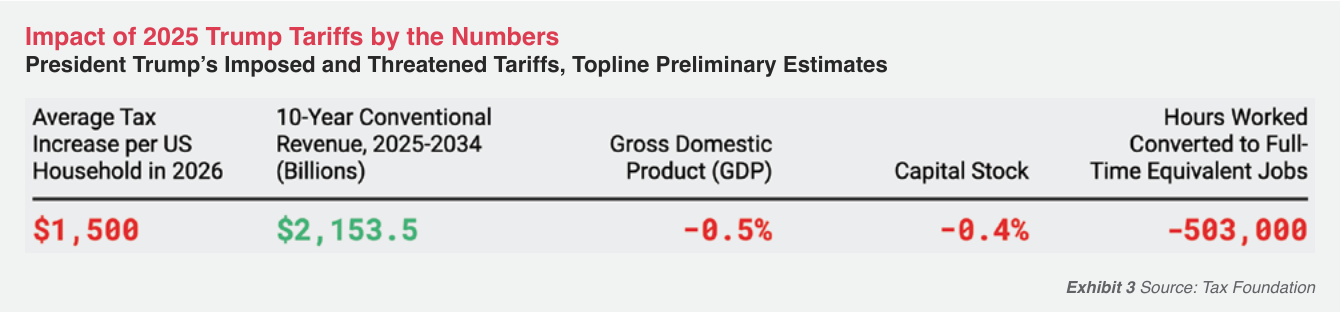
The downside: The risk of a renewed escalation in global trade tensions, particularly with China, in the form of tariffs. Tariffs are essentially taxes on imported goods, and while they’re often positioned as tools to protect domestic industries, they can create ripple effects across the broader economy and financial markets. The biggest near-term risk is a potential policy shift in the U.S., especially if the political environment becomes more protectionist following the 2026 midterms. We’ve already seen early signals that tariffs on key sectors such as electric vehicles, semiconductors, and other strategic technologies could be expanded. Retaliatory measures from trade partners could follow, leading to a tit-for-tat escalation that would disrupt global supply chains and raise costs for businesses and consumers.
The Upside: While tariffs remain a headline risk, the outlook for global trade entering 2026 is actually more constructive than markets feared just months ago. The worst-case scenario of a full-blown trade war, once a major concern earlier in the year, has not materialized. Instead, we’ve seen signs of trade stabilization, with 16 new bilateral and multilateral frameworks negotiated to reduce uncertainty across key sectors. The U.S. and China, while not fully aligned, appear to be maintaining a tentative truce, with ongoing dialogue and meaningful exemptions that soften the real-world impact of tariffs on businesses and consumers. These developments suggest a more pragmatic tone from policymakers on both sides, and if trade continues to normalize, it could act as a positive surprise for corporate earnings, supply chain efficiency, and investor sentiment in the months ahead.
Concluding Comments
Taken together, our 2026 outlook is one of constructive but disciplined optimism. We expect the U.S. economy to avoid recession and deliver above trend growth, supported by AI driven capital investment, resilient household balance sheets, and a policy mix that is still leaning pro growth. Equity markets are starting the year from elevated valuation levels, but strong earnings, robust productivity and a broadening of the AI theme provide a credible path to mid single to low double digit returns. International markets are finally positioned to contribute more meaningfully, helped by a softer dollar, improving earnings and selective regional tailwinds. In fixed income, the era of zero rates is behind us, and income has returned as a genuine source of total return, particularly in Agency MBS and high quality municipals.
At the same time, this is not a risk free environment. The transition to new Fed leadership, a maturing labor market, potential flare ups in tariffs, and the physical constraints around the AI buildout all have the capacity to unsettle both the economy and markets. Our response to these uncertainties is not to seek precision in forecasts, but to anchor portfolios in resilient building blocks: diversified equity exposure tilted toward quality, cash flow and structural growth; a fixed income sleeve that emphasizes income and balance sheet strength over reach for yield; and targeted exposure to real assets and commodities that can help hedge inflation, fiscal and geopolitical risks.
For clients of 24 Wealth, the practical implication is a portfolio that leans into opportunity without abandoning discipline. We are positioned for a continued expansion, while recognizing that volatility, policy surprises and sentiment shifts are features of investing, not bugs. As conditions evolve, we will adjust exposures at the margin, but our core approach remains the same: focus on underlying drivers, assign sensible probabilities, and build portfolios that can compound through a range of scenarios rather than a single story line.
Ultimately, this inaugural outlook is less about calling the exact level of the S&P 500 or the 10 year yield, and more about providing a clear framework for decision making in 2026 and beyond. Our commitment is to continually refine this framework as new information arrives, to communicate transparently about how our views translate into positioning, and to stay aligned with the long term objectives of the families and institutions we serve.
